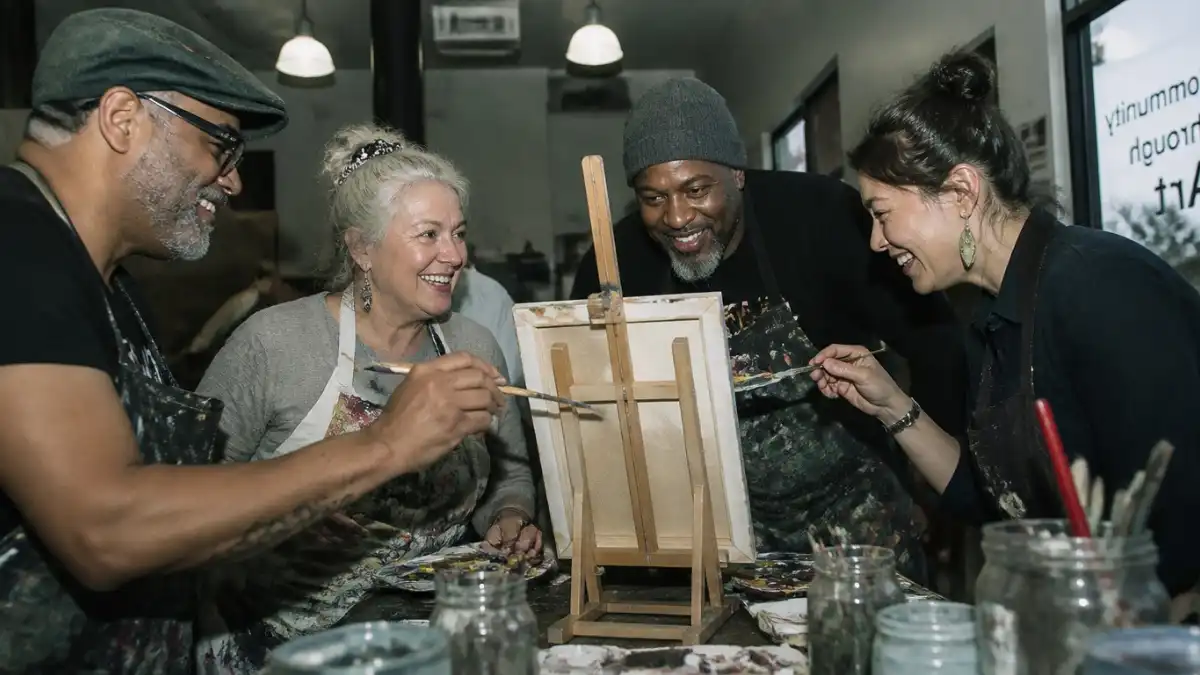
Cell phones face down on the table. The hands are covered in clay. No one is expected to know what they are doing in the room. A figure at the pottery wheel laughs as a misshapen piece of clay falls inwards. A participant embroideries silk ribbon using a needle and thread across the room. They have requested assistance twice. The episode mirrors the vibe of creative workshops in Dubai this September 2026. Nobody is asking for a password on the wall, there isn’t any. Well, that’s what creative workshops in Dubai are like in September 2026, and they’re booked up.
Potter’s classes and the other hands-on workshops are gaining traction in the city. People are quickly forming a habit of attending them. The most obvious sign is Dubai Culture’s Makers Days on September 19 and 20 at Concrete Alserkal Avenue. It features over 13 workshops, talks and panel discussions. These sessions cover creative manufacturing, sustainable practices, product development, and building creative businesses. In a city of speed, consumption, and constant digital connection, people are turning to a slower pace. They are paying for a slower pace and doing things by hand.
Related Stories

A Break From Screens and Speed
The easiest answer is also the most honest answer. The majority of the residents in Dubai spend most of their working hours inside a screen. Emails, calls, documents, presentations, spreadsheets. Screens mediate social feeds, streaming, messaging, and even leisure time. The attention that is provided in creative workshops in Dubai is very different. Creating something from hand is a focus that has to be embodied and one screen cannot replicate. Clay is not a thing, it is a potential thing. Pulling thread through fabric demands both sight and touch. Your mind has little room for anything else.
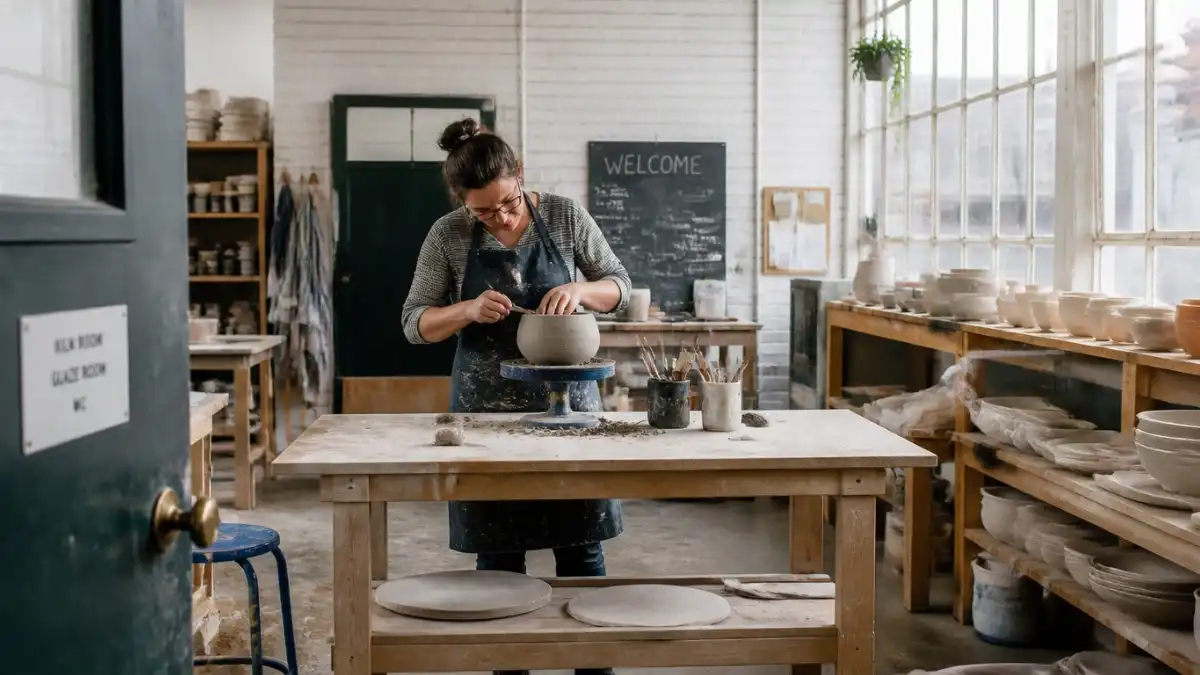
Her Highness Sheikha Latifa bint Mohammed bin Rashid Al Maktoum founded Tashkeel in 2008. It is based at Unit 89, Alserkal Avenue, and is one of the city’s most established and well-established creative programmes. It offers beginner and intermediate series in wheel-throwing, silk-ribbon embroidery, and cartoon portraiture.
The eight-session structure of the wheel-throwing programme matters. It signals that participants are not simply attending a one-off experience. They are committing to a skill, returning week after week, tolerating the awkwardness of being a genuine beginner.

That tolerance is psychologically significant. The city of Dubai continually measures progress. Titles, targets, and performance metrics define daily work. Being deliberately bad at something harmless, and returning to it anyway, offers a kind of permission that is rare elsewhere.
The New Way to Meet People
Dubai’s population is highly mobile. People arrive for jobs, change workplaces, and live far from extended family. Building genuine friendships outside of work can be unexpectedly difficult in a city where most social infrastructure is transactional. Dubai hobby classes have quietly become reliable ways to meet people. Creative workshops in Dubai also offer a low-pressure setting for connections.

The shared task does most of the social work. When participants focus on the same activity, they converse naturally and avoid feeling pressured to talk. New arrivals find a reason to show up to the same place weekly. Couples discover that making something together is a different kind of date than eating somewhere together. Solo residents find a regular structure that feels social without requiring them to perform sociability.
It’s becoming a third place—a space neither home nor work. Here people belong without needing to buy into an entire lifestyle. The Tashkeel and Concrete are venues of Makers Days. They are already a cultural island. Alserkal Avenue surrounds them. It’s a warehouse arts complex in Al Quoz, where art galleries, studios and makers share space with community events. Creative participation is made accessible and not exclusive, thanks to the physical environment.
From Hobby to Micro-Business
Creative workshops in Dubai support more than individual wellbeing. They sustain a small but meaningful economic chain. Independent teachers, ceramicists, studio owners, material suppliers, market organisers, and packaging suppliers gain when hobbyists visit. Hobbyists learn and return, strengthening the ecosystem. Furthermore, some participants move from curiosity into commerce.

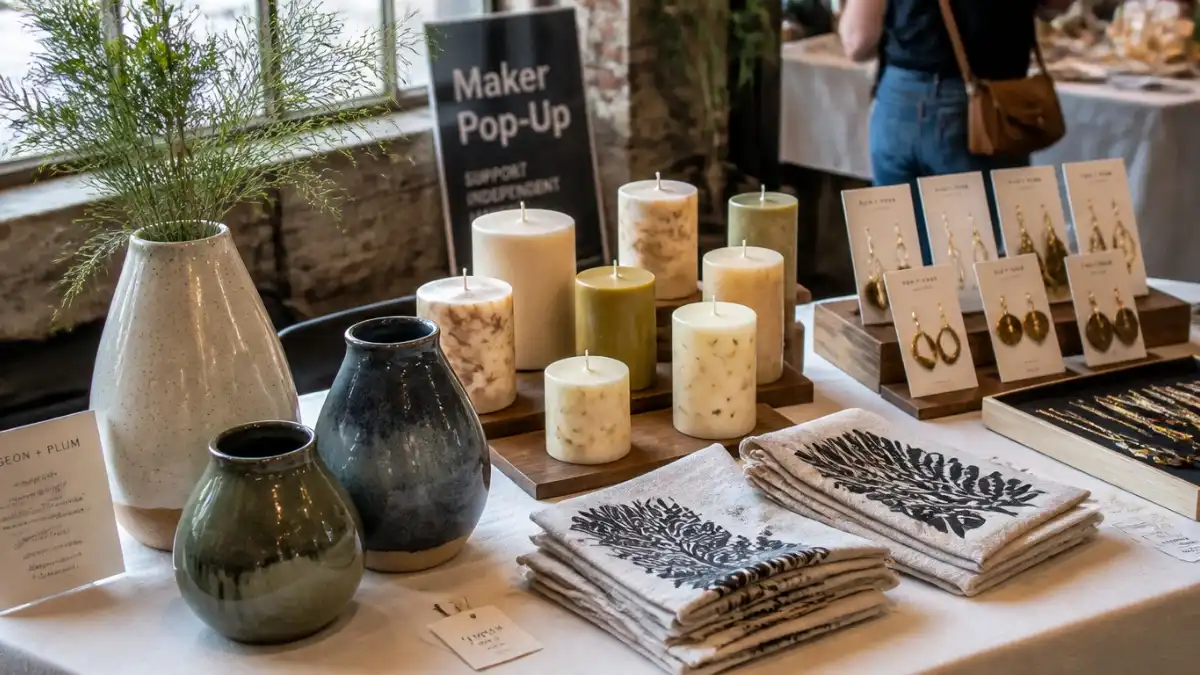
Makers Days on September 19 and 20 is positioned directly at this intersection. Dubai Culture’s official programming shows the event covers craft and product development. It also addresses sustainable manufacturing and the practical realities of building a creative business. Moreover, hat wider scope reflects how seriously Dubai is treating creative industries as an economic sector.
Dubai attracted 754 new cultural and creative industry projects in 2025, according to fDi Markets. The initiatives also generated about 19,304 jobs. That figure shows the Dubai economy’s scale. Additionally, creative participants, from hobbyists to small entrepreneurs, enter and sustain it at the ground level.
Is Creativity Becoming Another Luxury?
However, this is the question the creative-hobby boom does not always address. Additionally, workshops require registration fees and transport to Al Quoz, Alserkal Avenue, or Jumeirah. They also need time outside work, and in some cases childcare arrangements.
Tashkeel’s eight-session wheel-throwing programme represents a genuine financial and time commitment. Multi-session Dubai hobby classes aimed at skill development sit at a different price point than casual one-time events.
This matters because a city’s creative life is healthiest when it isn’t exclusive. It should not be limited to those who can afford a polished studio experience. The informal side of the creative economy is more accessible to many people.
Sewing at home, sketching in a notebook, cooking from scratch, and upcycling discarded furniture have less cultural visibility. The question is whether creative participation in Dubai is becoming genuinely inclusive or primarily Instagrammable.
Making Things in an AI City
Dubai is making a move towards AI, automation and digital government. In that context, handicraft acquires a unique value, because it is slow, manual, imperfect, and the value of the human. The appeal is partly due to the response rate of the city.
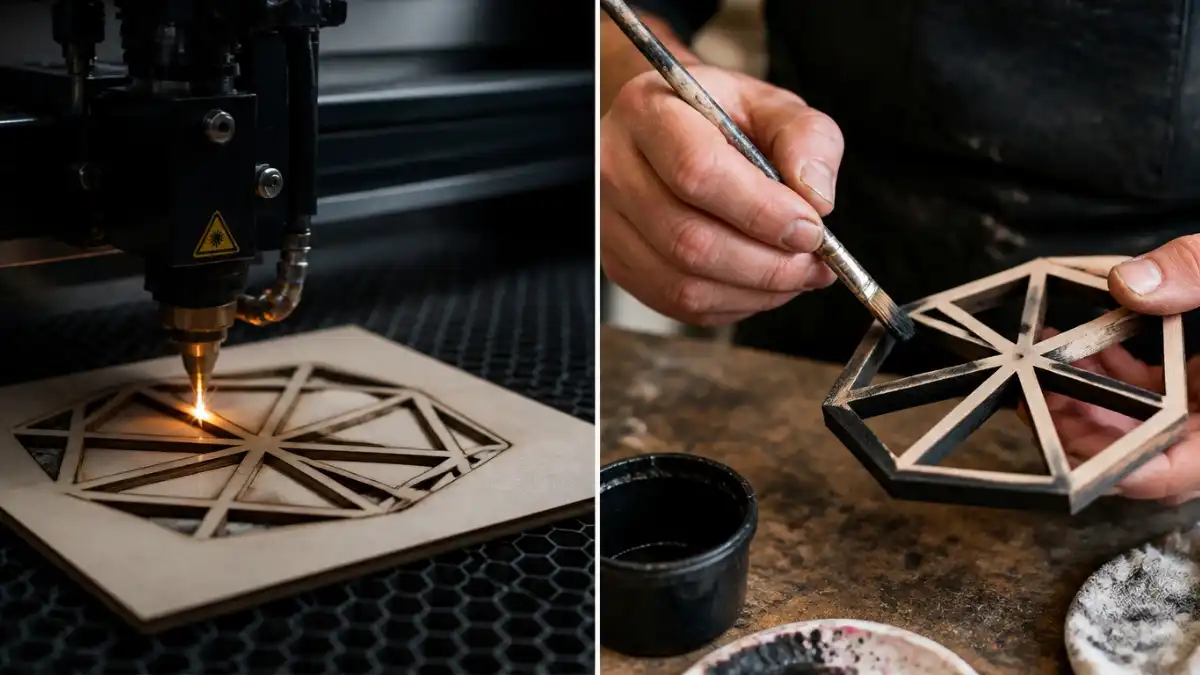
But handmade and technological is not a sharp distinction. This House of Wisdom laser cutting workshop is for participants aged 11 and up. The event takes place on September 19th. It shows that creative practice in 2026 doesn’t have to be a flight from technology. It can combine digital tools with physical production, using machines as one instrument in a broader making vocabulary.
Dubai Culture’s Arabic Typography Programme signals institutional support for a creative field. Applications open from August 31 to September 20. The programme links cultural heritage with contemporary design.
Why an Uneven Bowl Still Matters
A misshapen bowl is still a bowl someone made with their own hands. A candle that smells slightly off is still a candle poured by someone who showed up and tried. The object may not be the point.
Makers Days at Concrete on September 19 and 20 signals more than a product showcase. Dubai residents use creativity as a career path. They seek calmer, more connected, more human lives in a city that rarely slows.
In a city built to move quickly, the growing appeal of creative workshops in Dubai signals a quiet shift. It refuses to let every hour be measured by speed, output, or profit.
Read More: International Property Show: Who is Really Walking into it?