Ten days after flight FZ1073 made an emergency landing in Saudi Arabia, the UAE Public Prosecution has laid out what investigators found and the picture that has emerged is more calculated and more chilling than anyone initially understood.
When flydubai flight FZ1073 diverted to Tabuk on September 30th, the initial facts were enough to stop people mid-scroll. A cockpit altercation. Emergency codes transmitted at altitude. A wounded pilot keeping a plunging aircraft from disaster. Passengers rushing into the flight deck to restrain an attacker.
Related Stories

What investigators have now confirmed makes that morning feel even more deliberate and more disturbing than the moment itself suggested.
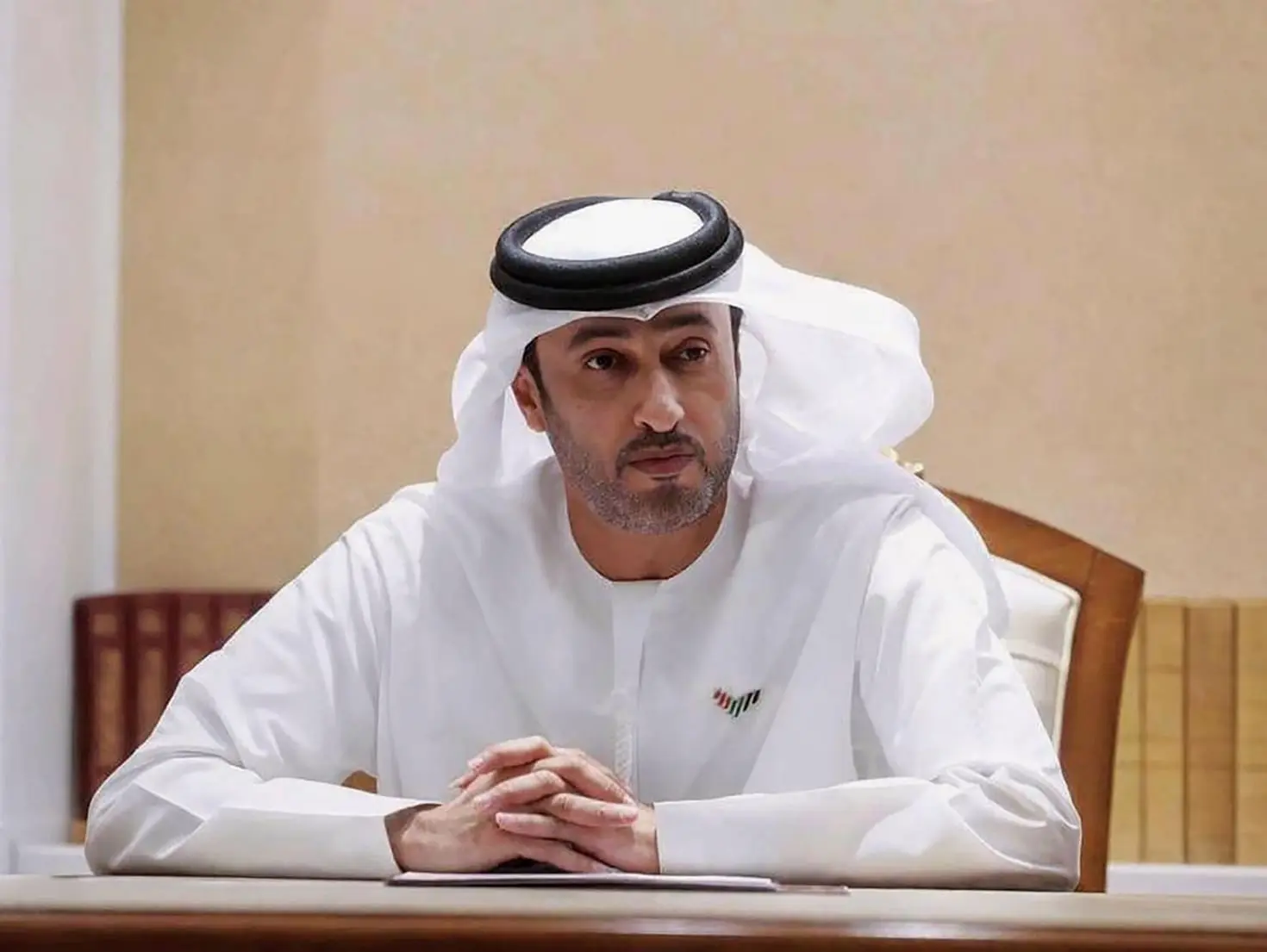
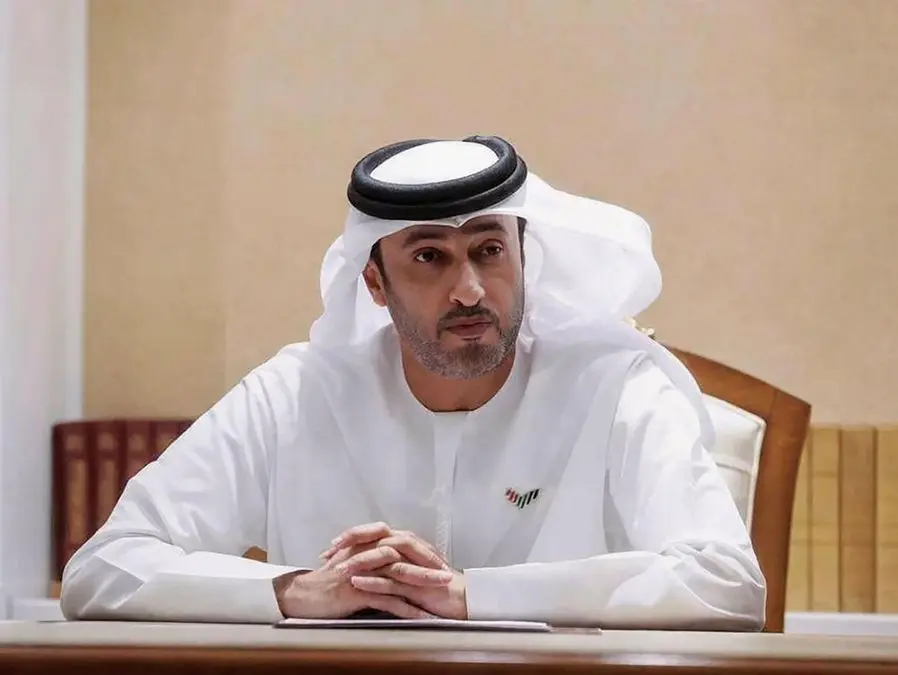
The UAE Public Prosecution released the findings of its formal investigation on Thursday, and the Attorney General Dr Hamad Saif Al Shamsi made the core conclusion clear: this was not a spontaneous act. It was, investigators allege, a premeditated terrorist operation planned, rehearsed and carried out by a 29-year-old Omani co-pilot who had spent years preparing for exactly what he attempted on September 30th.
The Alleged Plan
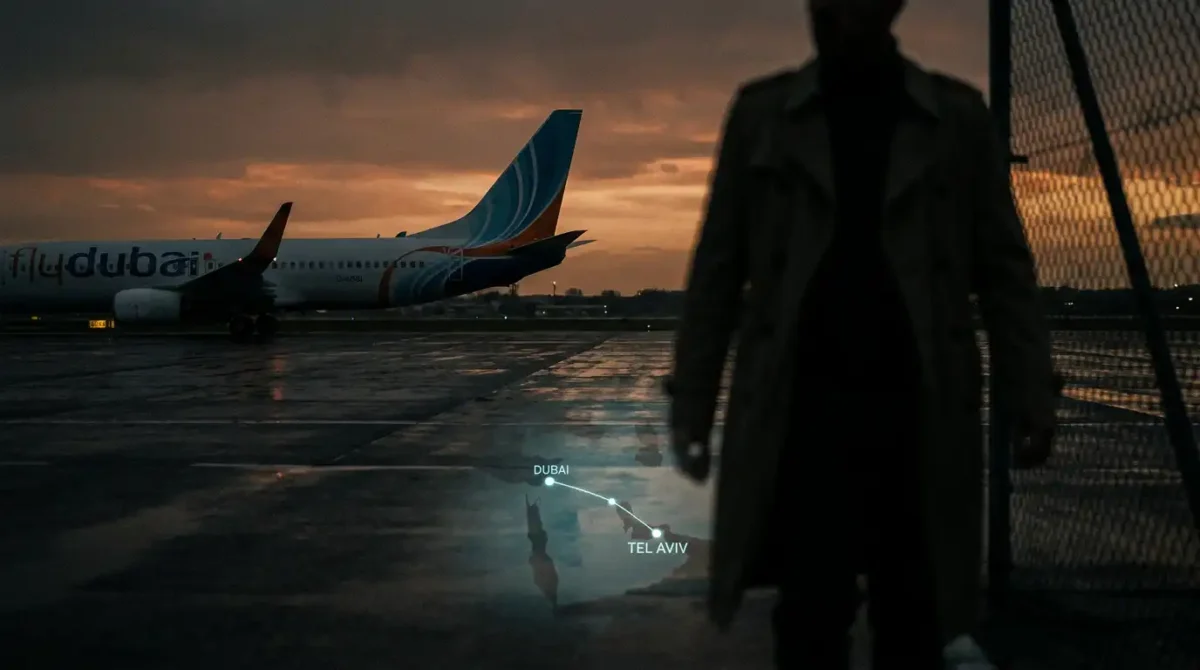
According to the UAE investigation, the suspect’s stated intention was not simply to take control of the aircraft. He allegedly intended to crash it directly into the passenger terminal at Ben Gurion Airport in Tel Aviv, causing the maximum possible loss of civilian life.
The method he chose as his frame of reference was September 11, 2001. In an alleged confession made in the presence of his lawyer, the suspect said the attacks in New York and Washington inspired him from the moment he first encountered them. He had, by his own account, spent years preparing psychologically and physically for an operation modelled on what happened that day watching extremist content, consuming material that glorified suicide attacks and, notably, training in boxing as part of a deliberate physical conditioning process.
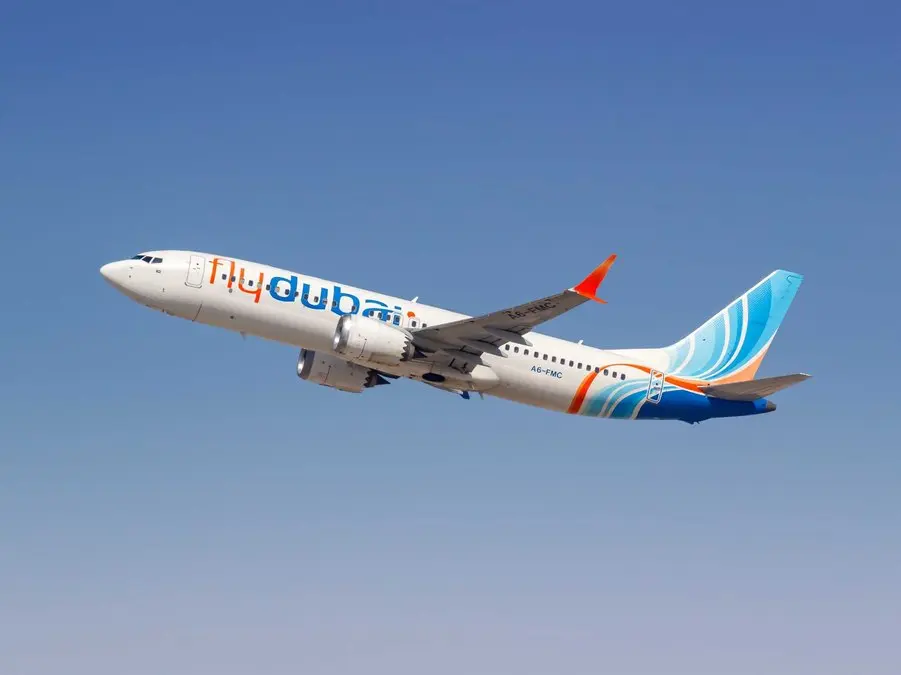
Investigators traced his exposure to extremist ideology back to 2017, when he was studying in Australia. During that period, authorities said, he accessed extremist literature and online material associated with terrorist organisations and suicide operations. Whatever seeds were planted then, the investigation suggests they took nine years to reach the cockpit of a Boeing 737 MAX 8 somewhere over the Saudi-Jordanian border.
He Had Flown to Tel Aviv Before
One of the most striking revelations from the investigation concerns the months before September 30th.
The suspect had taken two previous flights to Tel Aviv as a passenger, not as crew, before carrying out the alleged attack. Investigators said this was deliberate, he was familiarising himself with the route, the flight path, the approach and the airport. What the investigation describes, in essence, is reconnaissance. The kind of preparation that transforms an ideology into an operational plan.
That detail changes the texture of the entire story. This was not a pilot who snapped under pressure. This was, if the investigation’s findings are accurate, a man who sat on commercial flights to Ben Gurion Airport on two separate occasions, watched the terminal approach from the window, and went home to continue preparing. The September 30 flight was reportedly his third trip to Tel Aviv, with prosecutors linking the previous visits to his alleged preparations.
What Happened Inside the Cockpit
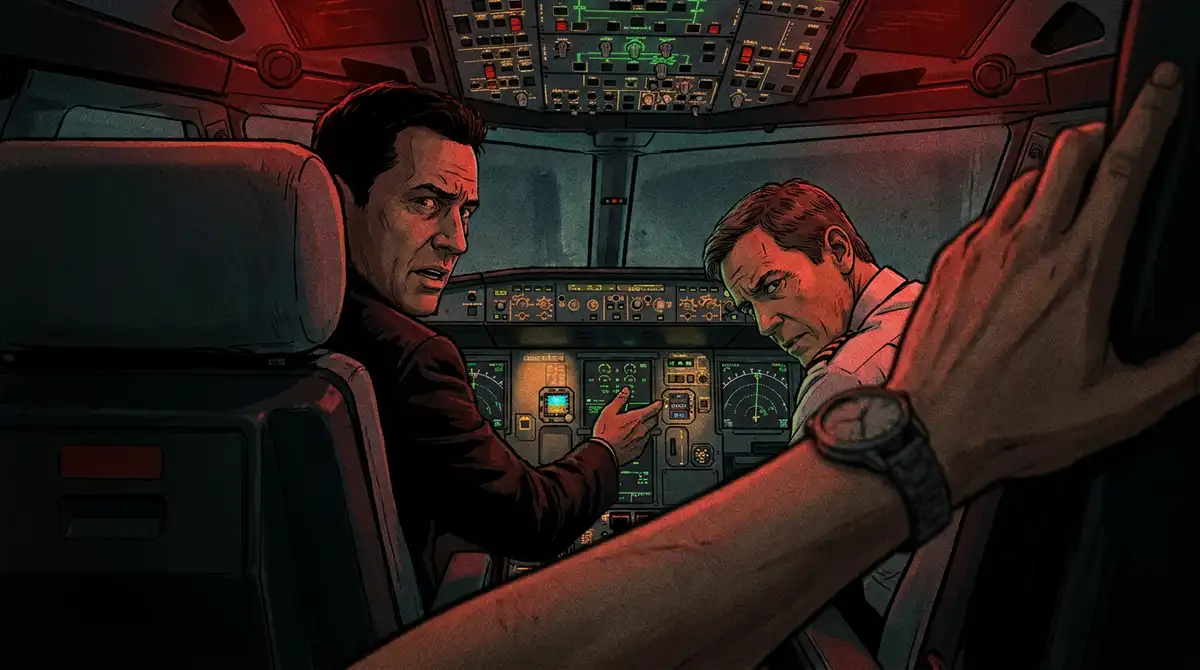
The investigation has confirmed that the suspect used an emergency axe, the crash axe carried on commercial aircraft for use in genuine emergencies, to assault Captain Smit Machchhar during the flight. Medical evidence presented by investigators included a report finding head injuries on the captain consistent with blunt force trauma from an implement matching that description.
Captain Machchhar, despite being seriously wounded, resisted and attempted to call for help. He was able to activate the cockpit door release mechanism before losing consciousness the action that allowed others on board to reach the flight deck.
What happened next unfolded through the actions of people who had no formal obligation to run toward danger but did anyway. A pilot travelling on the flight as a passenger. A cabin crew member. Several other passengers. Together they restrained the suspect and stabilised a situation that, had it continued unchecked, would have had no good outcome.
A replacement flight crew took control of the aircraft. The Boeing 737 MAX 8, which had plunged 14,000 feet in approximately 29 seconds according to tracking data, was brought under control and diverted to Tabuk Airport in Saudi Arabia, where it landed safely. Captain Machchhar was taken to hospital, underwent surgery and was later transferred to Dubai for further treatment. He is reported to be recovering.
A Career Built on Credentials That Concealed Everything
The suspect’s employment history before reaching flydubai adds another dimension that investigators and aviation security professionals will be examining for some time. He worked for Oman Air between 2020 and 2024. He then joined Royal Air Maroc in early 2025 before moving to flydubai in January 2026. Nine months later he was in the cockpit of FZ1073.
The UAE Attorney General addressed the recruitment question directly. The suspect, investigators said, met every professional and security criterion required during the hiring process. He held a valid pilot’s licence. He provided a certificate of good conduct. Nothing in the checks conducted by flydubai or, presumably, his previous employers surfaced any indication of the extremist views or alleged plans that investigators have now uncovered.
That finding is not an exoneration of the process. It is a pointed observation about how difficult it is to detect radicalisation through standard employment screening and about how a person can spend years building the credentials and conduct record of a professional while simultaneously holding beliefs that no background check is designed to catch.
The Investigation That Continues
The Public Prosecution has been clear that Thursday’s findings are not a conclusion. They are an interim disclosure of what investigators have established so far. Work continues. Evidence is still being examined. Recordings and technical reports from the flight are under review. Investigators are also looking at the question of whether the suspect acted entirely alone or whether there were accomplices, support networks or external connections that have not yet been identified.
The Attorney General urged the public to wait for official findings rather than drawing conclusions from unverified sources circulating online a request that reflects both the sensitivity of an ongoing terrorism investigation and the speed at which speculation fills spaces that facts have not yet occupied.
The investigation’s scope also explicitly covers the aviation security implications of what occurred. How a person with the suspect’s alleged history and intentions passed through multiple commercial airlines over four years including a security check as recently as January 2026, is a question with consequences that extend well beyond this case.
What Has Changed in the Aftermath
flydubai suspended all flights to and from Israel immediately after the incident on September 30th. Emirates separately suspended its codeshare operations with flydubai on the Tel Aviv route. Both suspensions remain in effect as the investigation continues.
The route between Dubai and Tel Aviv opened in November 2020, one of the first concrete expressions of the UAE-Israel normalisation agreement. It quickly became a commercially significant connection, carrying passengers in both directions across a corridor that had not existed in living memory before the Abraham Accords. Its temporary closure is a reminder of how fragile the infrastructure of normalisation can be when targeted deliberately, and how much depends on the ability of aviation security to detect threats that are designed, from the outset, to remain invisible until the moment of execution.
The Dubai-Tel Aviv route will reopen at some point. The questions the FZ1073 investigation has raised about how someone can spend years preparing for what the suspect allegedly planned, pass every check along the way, and reach the flight deck of a commercial aircraft those will take considerably longer to answer.
The suspect reportedly confessed in the presence of his lawyer and said he had acted alone. However, the investigation remains ongoing, with authorities continuing to examine evidence, review recordings and technical reports, and investigate possible accomplices or other connections.