

Experts say mangroves, seagrass, and seabed sediments will decide how fast Umm Al Quwain’s coastline recovers.
On Friday, October 23, 2026, the Ministry of Climate Change and Environment (MOCCAE) confirmed that a tanker caused the UAE oil spill that reached Umm Al Quwain’s coast. Crews are now clearing the beaches, but experts say the full damage from the oil spill will take far longer to measure.
What Happened in the UAE Oil Spill
The UAE oil spill came to light after residents in Sharjah, Ajman, and Umm Al Quwain reported strange odors. MOCCAE traced the smell to a tanker spill picked up by its monitoring system.
The ministry said the odors from the UAE oil spill pose no health risks. Satellite images from October 19, reported by maritime intelligence firm Windward, showed a large tanker leaking oil off Umm Al Quwain.
Authorities have not officially named the vessel, so the cause of the UAE oil spill remains unconfirmed.

Who Is Responding to the UAE Oil Spill
Federal and local authorities are leading the UAE oil spill response together. Specialized teams are handling containment, cleanup, and remediation.
Fishermen in Umm Al Quwain have also stopped work in waters hit by the UAE oil spill, following official instructions, according to Gulf News.
Where the UAE Oil Spill Has Hit
All beaches and coastal areas in Umm Al Quwain were temporarily closed after the UAE oil spill until assessments are complete.
Sharjah Municipality shut Al Hamriya Beach as a precaution after the UAE oil spill was reported nearby. Residents should stay away from closed areas until authorities say otherwise.
Why Removing Visible Oil Is Not Enough
Dr. Aseel Takshe, Dean of the School of Health Sciences, Digital Innovation, and Sustainability at Canadian University Dubai, says a clean beach does not mean the UAE oil spill is over. Oil can sink into the seabed or get stuck in sheltered spots.
Her bigger worry is that oil may persist in sediments and sheltered creeks long after the UAE oil spill slick is gone. Fish breeding, turtle feeding, and bird nesting could all suffer.
Related Stories

Why Mangroves and Seagrass Matter in the UAE Oil Spill
Around Khor Al Beidah and Al Siniyah Island, the UAE oil spill has put a valuable stretch of coastline at risk. Mangroves line the shore, seagrass covers the shallows, and mudflats and coral communities sit alongside them. Green turtles graze here, young commercial fish grow up here, and rays, sharks, and many birds depend on the area too.
Mangroves and seagrass are the hardest places to clean. If oil from the UAE oil spill gets in, it clings to roots, leaves, and mud. Rough clean-up methods can add to the damage.
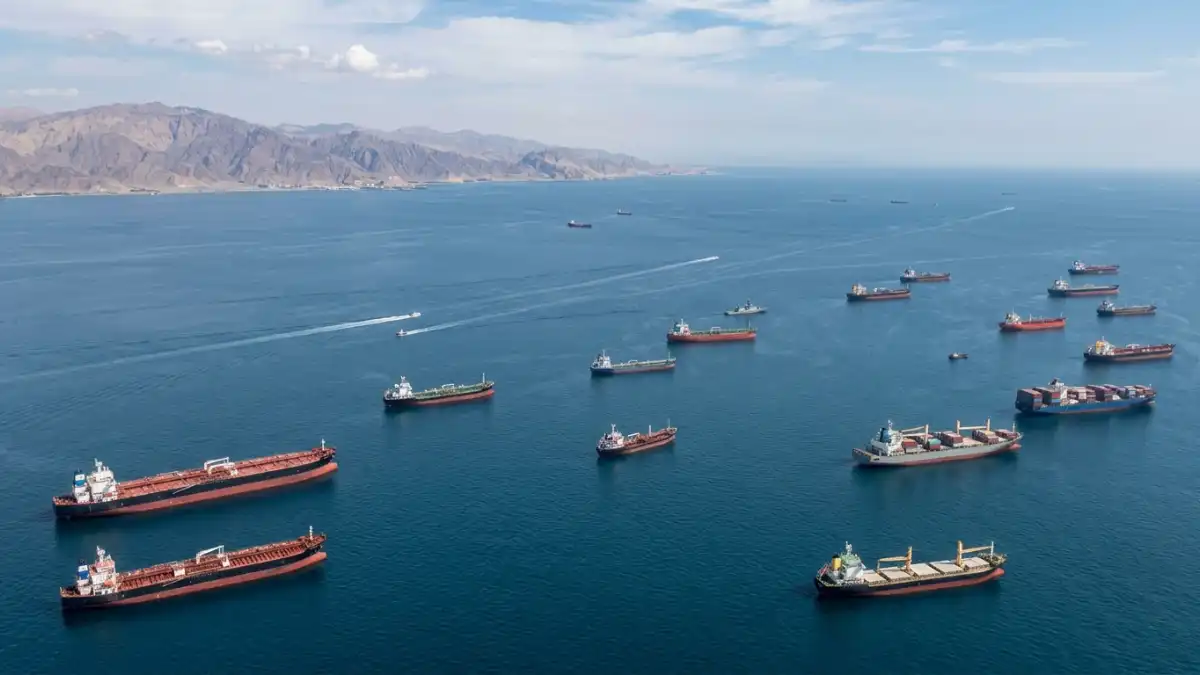
How Long Will Recovery Take After the UAE Oil Spill?
So, when will things return to normal? For the UAE oil spill, there is no fixed date. Takshe says it hinges on how much oil was spread, which habitats it touched, and how well the cleanup was handled.
Sandy beaches can bounce back soon after the oil is lifted. Mangroves, seagrass, corals, and oily sediments are a different story, and they may take years to recover from the UAE oil spill.

What Happens After the Clean-Up
The work does not stop once the beaches reopen. After the UAE oil spill, Takshe says authorities will need to track oil in the water and sediments and check the state of mangroves, seagrass, corals, and tidal habitats.
They will also have to watch fish, turtles, and seabirds for signs of stress or unusual deaths. Where needed, these checks should be repeated over several seasons to see how the UAE oil spill area is healing.
Clean Beaches Are Only the First Step
Picking up oil from the sand is the part everyone can see. The harder part of the UAE oil spill is what lies beneath: the water, the mud, and the wildlife of Umm Al Quwain, all of which will need months of checking. Until then, residents are advised to rely on official updates and stay out of closed beaches. How badly the UAE oil spill hurt the coast will only become clear over the coming seasons.
Also Read: Dubai Is Bringing the Diwali Feels, From Baithak Nights to a Sky Full of Drones


