

These days, a big film can be declared a disaster even before it reaches the theatres. The moment a trailer drops, the internet seems to turn into a court of public opinion, with everyone from self-proclaimed film experts to social media trolls lining up to deliver their verdict. And more often than not, the verdict comes even before the first show!
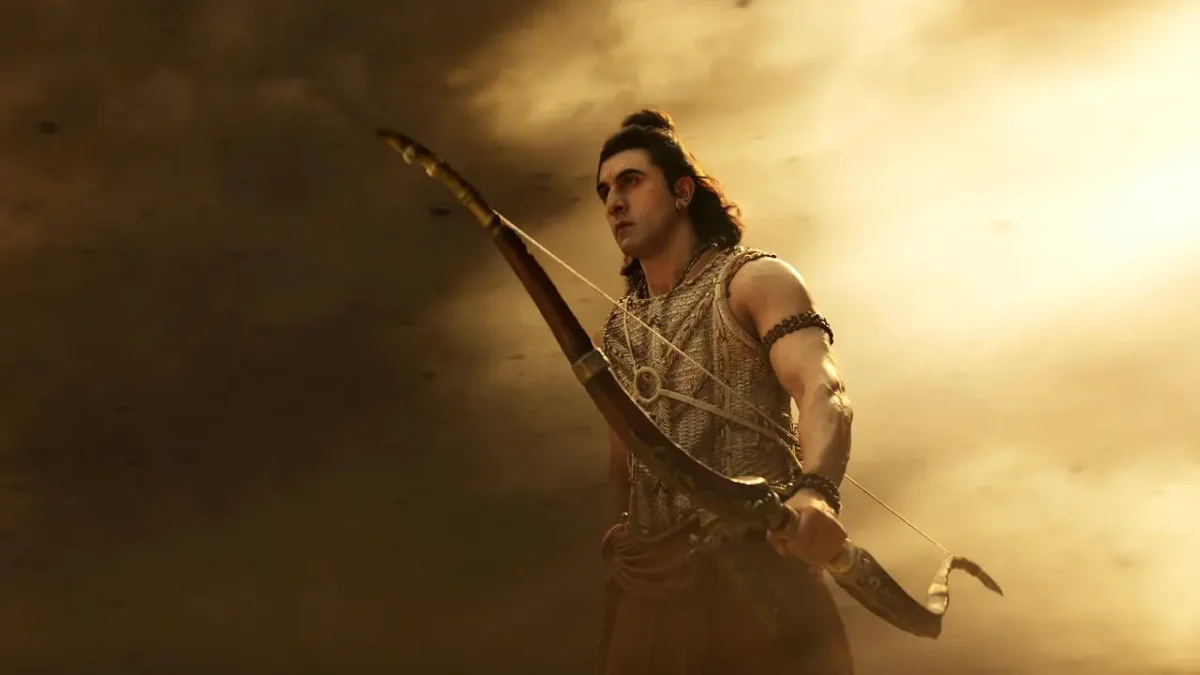
Nitesh Tiwari’s Ramayan was no exception. In fact, given the scale, expectations and the astronomical amount riding on this ambitious project, the film seemed to attract more than its fair share of negativity. Ranbir Kapoor’s look as Ram was dissected, the music was criticised for its perceived Sufi and Qawwali influences, the excessive use of VFX became a talking point, and Sai Pallavi’s appearance as Sita drew its share of unflattering comments. Before the film had even opened, a sizeable section of the internet seemed to have made up its mind.
Whether it was coordinated trolling, competition playing dirty or simply the internet being the internet is difficult to establish. But what was evident was that the negativity was beginning to overshadow the actual film.
And that is a dangerous place for a project of this magnitude to find itself in. Ramayan is not just another big-budget Bollywood production. It is an ambitious attempt to create an Indian mythological spectacle with a global cinematic footprint, and one that has often been positioned as India’s answer to the kind of cinematic universes Hollywood has built.
Having watched the film, I can say that a lot of the pre-release noise does not quite hold up once you see the finished product on the big screen. That is not to say Ramayan is beyond criticism. Some aspects, including Sai Pallavi’s look as Sita, may still divide audiences. But on several other counts, the film makes a far more convincing case for itself than its trailers and social media chatter suggested.

The film has also found a strong opening at the box office and received encouraging reactions from audiences, alongside positive reviews from several critics.
So, what exactly makes Ramayan work? Here are five reasons why this epic deserves to be experienced on the big screen.
Related Stories

1. The VFX: A World That Truly Comes Alive
Let’s get this straight. You cannot tell the story of one of India’s greatest mythological epics on a modest canvas and expect it to do justice to the imagination that generations have grown up with. Ramayan needed to be larger than life, and the visual effects deliver precisely that.
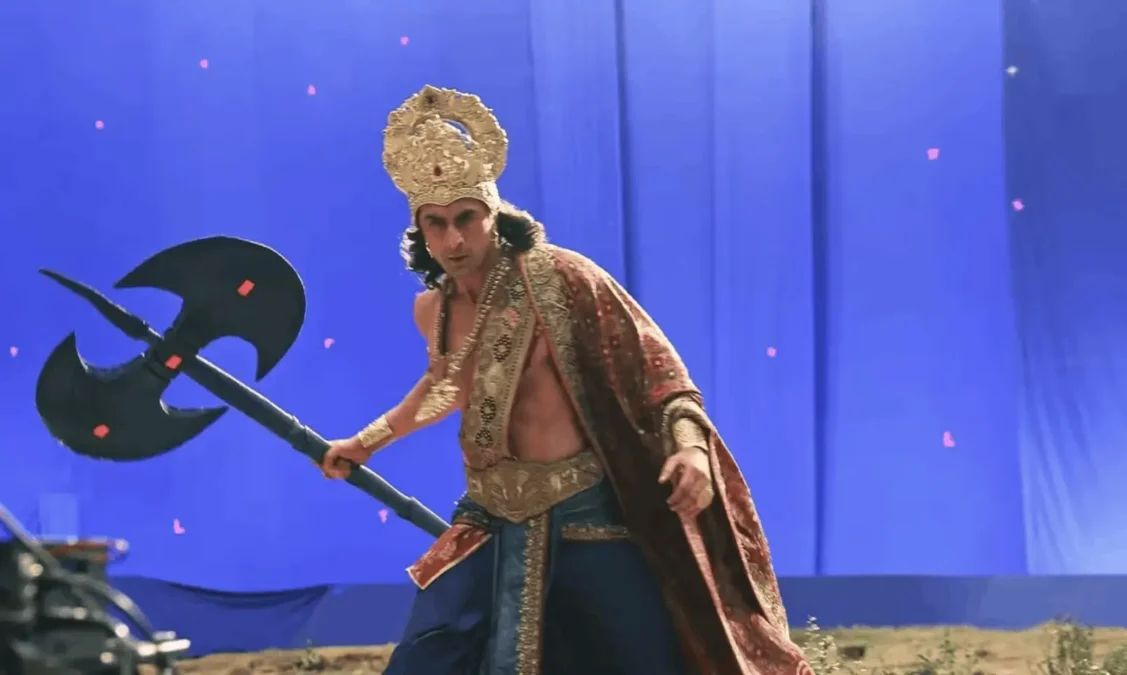
The scale of world-building is breathtaking. The palaces, forests, mythical creatures, battle sequences and landscapes come together to create a visual universe that genuinely transports you into the world of the Ramayan. There is a sense of grandeur and imagination here that Indian cinema has rarely attempted at this level. And if it has, it has never succeeded like this before.
The VFX is not merely being used to make a few action sequences look bigger. It is the very foundation on which this make-believe world has been constructed. You are not just watching characters enact a familiar story; you are being taken into a world that feels as though it has been lifted straight out of the pages of an epic.
Related Stories

There may be moments when the digital treatment is a little too noticeable, but that hardly takes away from the overall achievement. And clearly, when it comes to this film, there’s nothing called as too much VFX. This is arguably some of the most ambitious visual storytelling attempted in Indian cinema, and it makes for a compelling reason to watch the film in a theatre rather than wait for its eventual streaming release.
2. The Unpredictability: A Familiar Story With Fresh Perspectives
Let’s face it. Almost every Indian knows the broad outline of the Ramayan. We have grown up watching it, reading it, listening to stories about it and seeing its characters interpreted in countless ways. So how do you make a story whose outcome is already known interesting all over again?
That is where writer Shridhar Raghavan and writer-director Nitesh Tiwari deserve credit. They understand that the challenge is not to change the epic but to find fresh ways of telling it.
The narrative introduces perspectives and details that give the familiar story a different texture. The characters are not simply moving from one well-known episode to another, ticking off events that audiences already know. There is an attempt to explore motivations, relationships and different sides of the people who inhabit this universe.
Ravan, in particular, gets a more layered treatment, while the narrative gives other characters room to emerge with their own perspectives. Even when you think you know what is coming next, the screenplay manages to keep you invested.
That is no mean feat. When the audience already knows the story, the filmmaker cannot rely entirely on the element of surprise. The job is to make us look at it differently, and Tiwari and Raghavan manage to do that rather effectively.
It is not about rewriting the Ramayan for the sake of novelty. It is about making an age-old story feel cinematic, engaging and relevant to a new generation without losing its essence.
3. The Yash Factor
If there is one casting decision that deserves a standing ovation, it is Yash as Ravan.
The actor looks almost picture-perfect for the role. His physical transformation, imposing frame, body language and sheer screen presence make him a formidable Ravan. But what really works is that Yash does not rely on his physicality alone. He brings an authority and intensity to the character that make his presence felt even when he is not doing much.
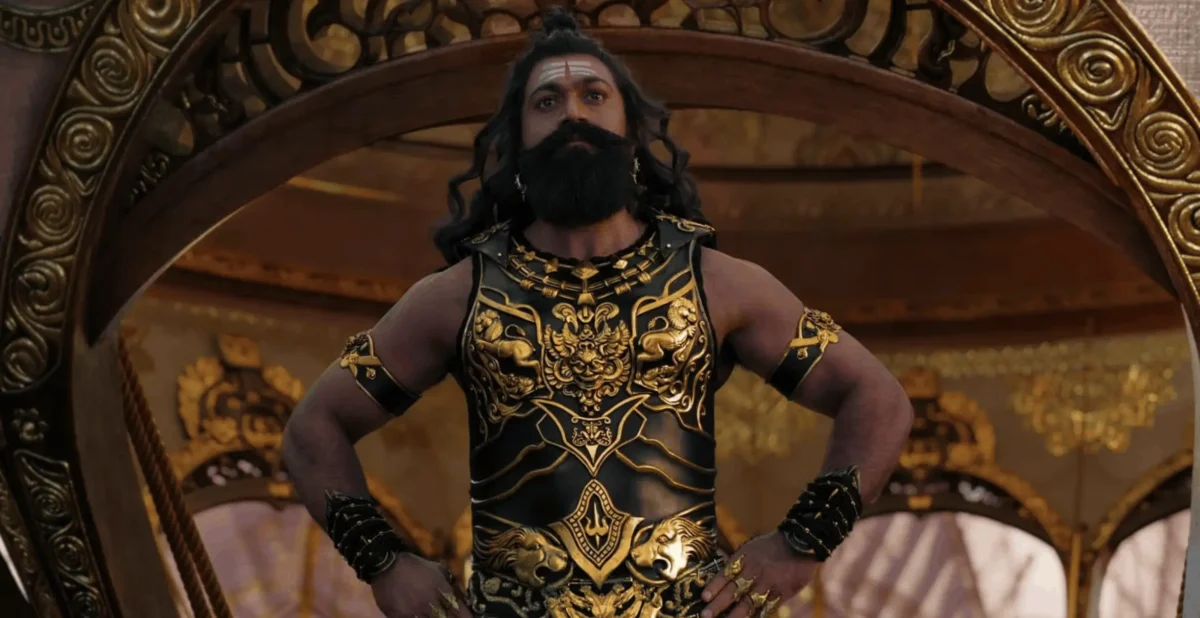
And given the expectations surrounding Yash after the success of KGF and bombing of Toxic, there was always going to be a question of whether he could step away from that familiar mass-action image and bring something different to the table. With Ravan, he does that. And if Ranbir Kapoor anchors the film, Yash gives it much of its thunder.
4. The Ensemble Cast: A Surprise Around Every Corner
When you have a story as expansive as the Ramayan, the cast needs to be equally impressive. And this is one area where the film has really managed to assemble a formidable line-up.
Led by Ranbir Kapoor as Rama, the film features Sai Pallavi as Sita and Yash as Ravan, but there is a whole lot more to look forward to beyond the three leads.
I won’t give you a spoiler by disclosing their names but let’s just say there are many familiar names who populate this expansive universe.
What makes the ensemble interesting is the way several characters and their appearances have been strategically kept away from the promotional spotlight. So, when some of these familiar faces turn up on screen, there is a genuine sense of surprise. It is almost like an added bonus for audiences who have deliberately stayed away from spoilers.
Ranbir carries the responsibility of playing Ram, while the ensemble around him ensures that the film never feels like a one-man show. And that is important for a story of this magnitude.
5. The Epic Scale: Indian Cinema Finally Goes All Out
There is big-budget filmmaking, and then there is Ramayan. The sheer ambition behind this project is difficult to ignore, both in terms of what appears on screen and the resources that have gone into creating it.
With a reported combined budget of approximately ₹4,000 crore for its two installments, this is among the most expensive film projects undertaken anywhere in the world. The production brings together international technical expertise, extensive visual effects, elaborate production design and large-scale action to create a cinematic experience that is clearly aimed at a global audience.
And the box office has certainly given the makers something to cheer about.
Ramayan reportedly crossed the ₹500-crore mark worldwide within its first four days, making a spectacular start to its theatrical journey. More interestingly, it surpassed the reported lifetime worldwide collection of Prabhas-starrer Adipurush, which closed its run at approximately ₹393 crore, in a matter of just four days although, in the history of Indian films, it will always remain a failure.
And, the numbers of Ramayan are quite a turnaround for a genre that was left nursing considerable bruises after Adipurush failed to live up to its enormous expectations.
The comparison is hard to ignore. Both films draw from the Ramayan, both arrived with huge budgets and enormous expectations, and both were expected to redefine mythological storytelling on screen. But where Adipurush struggled to win over audiences despite its scale, Ramayan seems to have found a much stronger connection through its visual presentation, performances and overall cinematic experience.
More importantly, it puts to rest the assumption that audiences have lost interest in mythological spectacles. They haven’t. What they expect is a compelling story, convincing performances and a visual experience that justifies the grandeur being promised.
Of course, a strong opening does not automatically make a film financially successful, particularly when the reported investment covers two installments. There is still a long way to go. But as far as the first chapter is concerned, the makers have certainly made a statement.
And perhaps that is the biggest takeaway from Ramayan. Indian cinema has the ambition, the talent and increasingly the technical resources to create a spectacle that can stand on the same international stage as big Hollywood productions. What matters is getting the execution right.
The Final Word
Ramayan was always going to be a difficult film to pull off. It comes with the weight of a story that millions already know, the expectations of generations and the scrutiny that comes with a reported multi-thousand-crore investment.
It also had to contend with an online backlash that, at times, threatened to become bigger than the film itself.
But the theatrical experience has changed the conversation. It may not be without flaws, and there are aspects that could have been handled better, but the bigger picture is difficult to dismiss.
For a film that was being written off even before its release, Ramayan has managed to turn the tables rather convincingly.
The real test will be whether the second instalment can build on this momentum and deliver the payoff that this epic deserves. But for now, Part 1 has done enough to make the wait worthwhile.
And if there is one thing this film has reminded us, it is that sometimes the biggest stories deserve the biggest screens.
Ramayan Part 1 is now showing in theatres worldwide.