
A drone attacked a power generator on the outskirts of Barakah nuclear power plant in Al Dhafra region, Abu Dhabi, on Sunday evening. While it was an attack on a crucial infrastructure facility, the authorities confirmed it did not cause radiation leaks nor did it lead to any injuries. All units are reportedly operating normally, according to the UAE’s Federal Authority for Nuclear Regulation. In every sense of the word, the Barakah nuclear attack was contained.
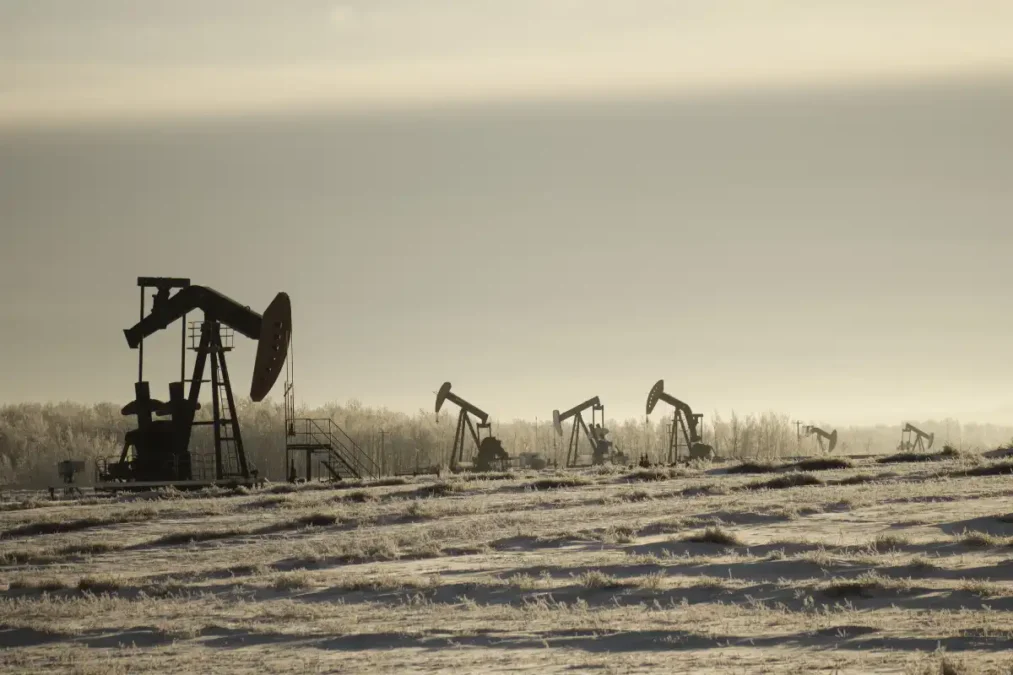
However, the response from the oil market was more significant. By Monday morning, Brent crude climbed 1.62 percent to $111.03 a barrel. West Texas Intermediate (WTI) rose 2.01 percent to $107.54. Reuters reported both contracts climbed to 2-week highs but pulled back a bit. The oil prices that followed the Barakah nuclear attack were not only caused by the burning generator, they once again underscored just how unfairly this war is hitting the common man across the globe.

Barakah Nuclear Attack: What Was Hit?
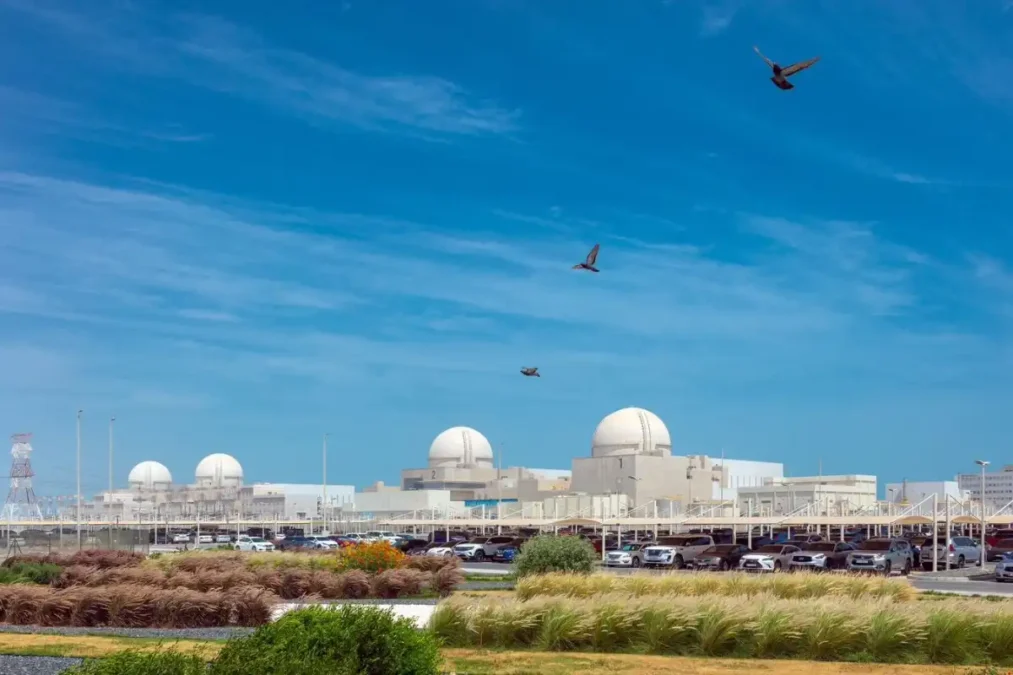
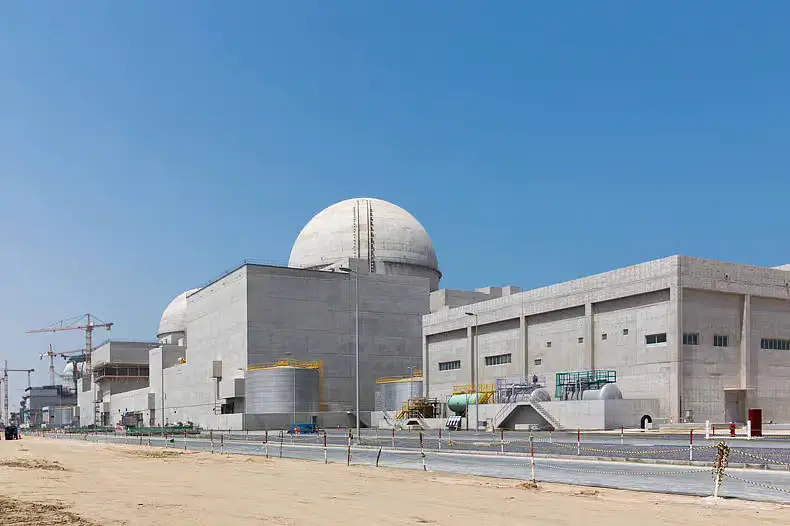
The Barakah nuclear power plant is the first nuclear power plant in the Arab world, situated in the UAE’s Al Dhafra region which is adjacent to major oil and gas facilities in western Abu Dhabi. The plant is currently operating four reactor units to generate around 25 per cent of the UAE’s electricity. The drone crashed into an electrical generator located outside the inner security fence at the facility, but the explosion only caused a fire which was contained without any structural or radioactive damage, as per a report by Arabian Gulf Business Insight.
The UAE’s Foreign Ministry released a statement calling the strike a “dangerous escalation, an unacceptable act of aggression, and a direct threat to the country’s security. The UAE has the right to respond to what the UAE officials described as “terrorist attacks,” they said. Three drones were also intercepted separately in Saudi Arabia on the same day from Iraqi airspace, as per a Reuters report. The geographic spread of Sunday’s strikes across two countries in a single day confirmed that the conflict’s infrastructure targeting strategy is widening, not narrowing.
Oil Prices: The Bigger Trajectory
The oil prices after the Barakah nuclear attack generated on Monday are not a standalone event. They are the latest increment in a sustained, structurally driven energy price surge that began the moment the war started on February 28. Understanding what Barakah nuclear attack on Sunday added requires understanding what was already in place.
When the first US-Israeli airstrikes hit Iran on February 28, Brent crude was trading at approximately $65 to $68 per barrel. Within ten days it had crossed $120, a 65 percent increase that the World Road Transport Organisation (IRU) described as one of the fastest oil price escalations in modern market history.
Iran effectively closed the Strait of Hormuz, which handles 20 percent of the world’s seaborne oil on a daily basis. By the end of March, overall oil export losses were more than 13 million barrels per day, and the International Energy Agency (IEA) had estimated that of the 360 million barrels exported, producing an unprecedented 6 million barrel per day supply-demand gap, and an additional 440 million would be exported in April.

In the process the energy infrastructure of the region sustained a blow after another. A drone attacked Saudi Arabia’s biggest refinery in Ras Tanura on March 2. It shut down for weeks, and immediately caused a global price increase. Each time a critical energy facility was targeted, the market added a new risk premium to crude prices. Sunday’s strike on Barakah adds another layer to that premium calculation.
Both Brent and WTI gained more than 7 percent last week alone as hopes for a peace deal that would end ship attacks and seizures around the Strait of Hormuz faded, according to Reuters. Sunday’s attack arrived on top of that 7 percent weekly gain, compounding rather than initiating a rally that was already in motion.
Barakah Nuclear Attack: Market’s Real Fear
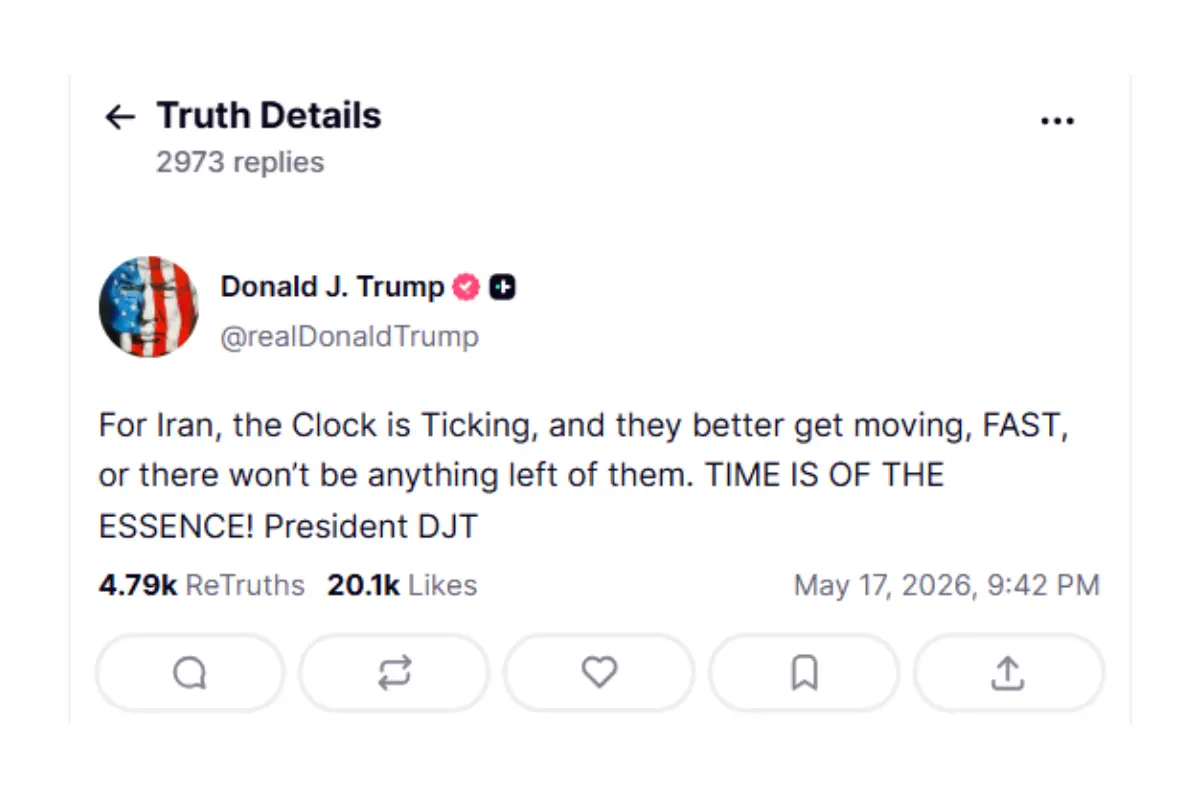
The oil price movement on Monday is not just about one generator. It is about what comes next. US President Donald Trump is expected to meet top national security advisers on Tuesday to discuss options for military action against Iran, according to Axios. On Truth Social over the weekend, he posted: “For Iran, the Clock is Ticking, and they better get moving, FAST, or there won’t be anything left of them.” That language, combined with the stalling of ceasefire negotiations, has reintroduced the scenario markets fear most. An escalation that takes the conflict beyond its current boundaries.
IG market analyst Tony Sycamore described Sunday’s drone strikes as “a pointed warning — renewed US or Israeli strikes on Iran could trigger more proxy attacks on Gulf energy and critical infrastructure by Iran or its regional proxies”. That cycle, in which Western action generates infrastructure attacks on Gulf allies, is precisely what the risk premium in current oil prices is pricing in.
Oil Prices: The OPEC Exit Factor
One additional variable shapes the current oil price environment in ways that were not present in previous regional crises. The UAE formally exited OPEC and the wider OPEC+ alliance on May 1. The departure removed one of the few members with meaningful spare production capacity, leaving OPEC structurally weaker and less able to manage supply responses to crises, according to Jorge León of Rystad Energy, cited by Dawn.
Furthermore, the Trump administration on Saturday allowed the lapse of a sanctions waiver that had permitted countries including India to buy Russian seaborne oil, effectively tightening global supply further at precisely the moment a new attack was adding to demand for risk premium.
The result is a market operating without the traditional shock absorbers. Experts believe OPEC cannot easily replace UAE spare capacity. Russian oil access is being restricted. The Strait of Hormuz remains contested. And now, the Arab world’s first nuclear power plant has been targeted by a drone strike.
Renowned economist Mohamed El-Erian posted on X on Sunday night that Brent crude opening above $110 in Asian markets reflected a market that had not priced in how far this conflict could still go. Sunday’s strike on Barakah was not the largest attack of this war. However, it may prove to be one of the most consequential for what it signals about the conflict’s next phase.
Read More: Dubai’s Gold Rate Today: Eid Correction Packs the Souk