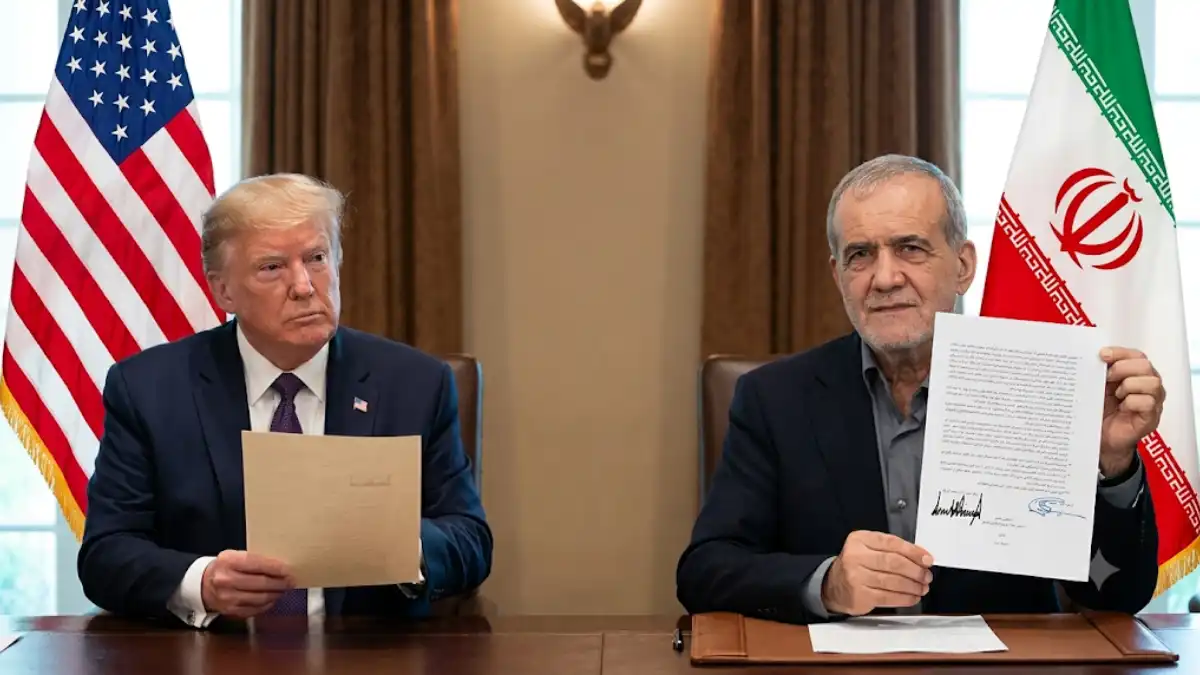
Nine days since Trump signed the Memorandum of Understanding at Versailles. And two days since a US-Iran ceasefire extension was confirmed. An IRGC drone struck a commercial cargo ship in the Strait of Hormuz. By the following morning, CENTCOM attacks Iran in retaliation. Hence, the war that should have ended with the MOU is starting again. It has paused, resumed, and paused again within the span of a week.
What Happened to the Ever Lovely
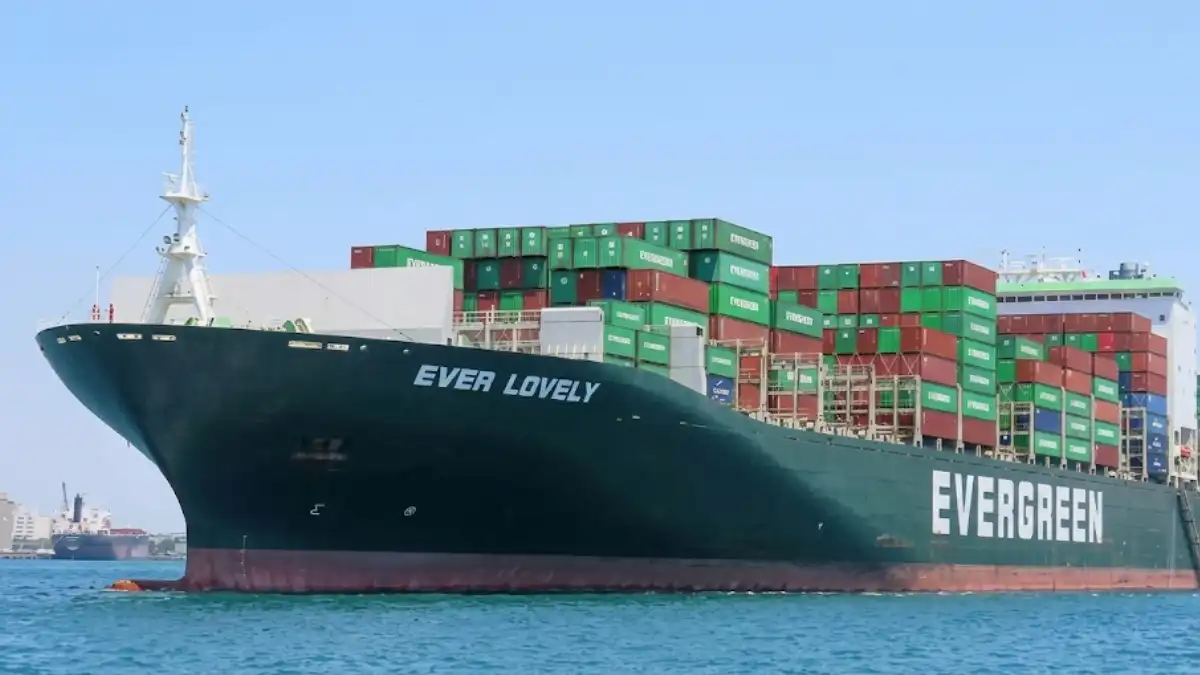
On June 25, the Singapore-flagged container ship Ever Lovely was attacked southeast of Dahit, Oman, while transiting the Strait of Hormuz. According to Trump, Iran launched four one-way attack drones at ships traversing the strait. Three were shot down. The fourth connected.
Related Stories

The cargo vessel was struck on its starboard side by an unknown projectile, damaging the bridge. However, no casualties or environmental impact were reported. The vessel was able to proceed on its way. Shortly after the vessel was struck, the United Nations’ International Maritime Organization paused an effort to evacuate hundreds of ships and thousands of mariners who were stranded in the Persian Gulf.
The Ever Lovely was not a random target. The attack was the direct result of a dispute that had been building since the MOU was signed: which route through the Strait do ships have the right to use?
The Route Dispute Behind the Strike
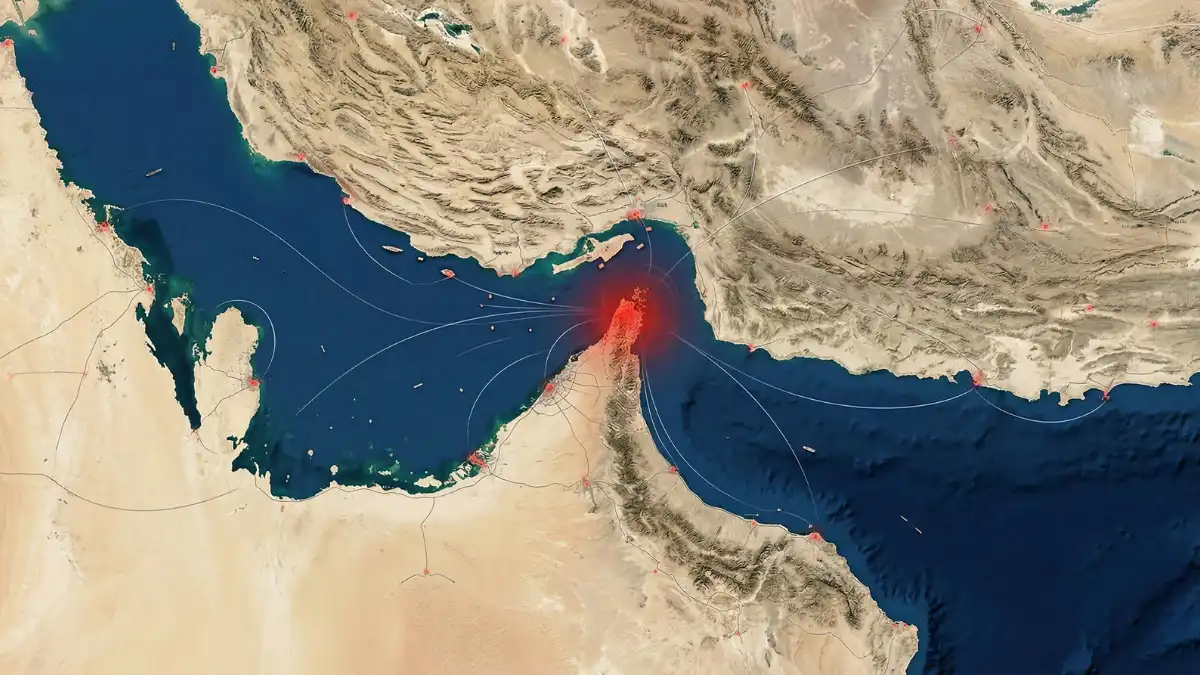
The Memorandum of Understanding said traffic in the Strait of Hormuz would return to pre-war volumes, but it did not specify the conditions for how. That gap created two conflicting positions. The US favours a route through the southern portion of the Strait of Hormuz, hugging the coastline of Oman. Iran has said ships still need to seek its permission and use a northern route closer to the Iranian coast.
Iran’s Islamic Revolutionary Guard Corps on Thursday issued warnings to vessels to strictly refrain from any movement outside the designated routes, and hours later struck the Ever Lovely. Iran’s Persian Gulf Strait Authority said that any passage through routes outside the framework designated by PGSA would not be covered by safe passage guarantees and would not be entitled to insurance coverage. The Ever Lovely, using the US-preferred southern route, was not on Iran’s approved path. Iran treated that as justification for the strike.
Adding another pressure point: an Iranian member of the country’s negotiating team said Tehran intends to resume collecting fees from vessels transiting the Strait after the 60-day suspension expires, arguing that charging ships for the services provided to vessels has full meaning under Iranian law. Trump has insisted the strait will remain toll-free. The two positions are incompatible.
CENTCOM Attacks Iran in Response
CENTCOM attacks Iran on June 26 as a powerful response to the previous day’s attack on a commercial ship transiting the Strait of Hormuz. Furthermore, a US official told CBS News that American aircraft hit multiple targets along the Strait of Hormuz and on Iran’s Qeshm Island. The strikes by six land-based US aircraft hit four targets.
CENTCOM stated that US aircraft struck Iranian missile and drone storage locations and coastal radar sites. “The unwarranted aggression against commercial shipping by Iranian forces clearly violated the ceasefire,” CENTCOM further added. “Iran’s dangerous behavior undermined freedom of navigation as commerce increasingly flows through the vital international trade corridor.” CENTCOM also confirmed its forces continue to provide safe passage coordination for commercial vessels and remain present and vigilant throughout the region.
What Trump and Vance Said
Trump called the drone strike on the Ever Lovely a “foolish violation” of the ceasefire agreement and said the ship “took a little beating” but was able to proceed. Asked repeatedly whether Iran would face consequences, he responded: “You’ll find out.”
However, Vice President JD Vance, who led the US negotiating team on the MOU, was more direct. “Iran signed a ceasefire agreement. We have honored it. They can pick up the phone if they have disagreements about how the MOU is being applied. But violence will be met with violence,” he posted on X alongside CENTCOM’s announcement.
Where the Ceasefire Stands After CENTCOM Attacks Iran
Iran’s Islamic Revolutionary Guard Corps said it targeted US military positions in the region in response to the CENTCOM strikes. The US military has not confirmed any Iranian counter-strikes. On Friday, CENTCOM attacks Iran. However, it does not reflect a return to major combat operations, at least for now, a US official told CBS News.
The 60-day negotiating window is running. Nuclear talks are still scheduled. IAEA Director General Rafael Grossi expects Iran to allow inspectors into the country to review Iranian nuclear sites, a key component of the MOU’s terms. None of that is yet cancelled. However, the underlying dispute over Hormuz transit routes, tolls, and authority over the strait has not been resolved by any clause of the MOU. Instead, it was deferred. And the Ever Lovely found the gap.
Read More: Iran-US Talks in Switzerland Postponed After Lebanon Strikes