As the city expands, its clean energy ambitions face a two sided challenge. It must generate more renewable electricity while finding smarter ways to use the power it already produces. This is essential for Dubai clean energy goals and a resilient grid.
Dubai has spent years building towards a cleaner energy future. But the next part of that journey raises a less obvious question: what happens when a city’s energy ambitions grow alongside its appetite for electricity?
Related Stories

That is the bigger story behind World Energy Day, marked every October 22. The initiative began in Dubai in 2012, bringing together representatives from 54 countries and international organisations under a shared call for safe, sustainable energy. Fourteen years later, the conversation has moved beyond awareness. Dubai now has major infrastructure targets to meet, and the challenge is making those targets work in a city that continues to grow.
The emirate’s approach to Dubai clean energy is no longer just about adding renewable power to the grid. It is also about changing how energy is delivered, stored and consumed.
The solar park is growing, but so is the ambition
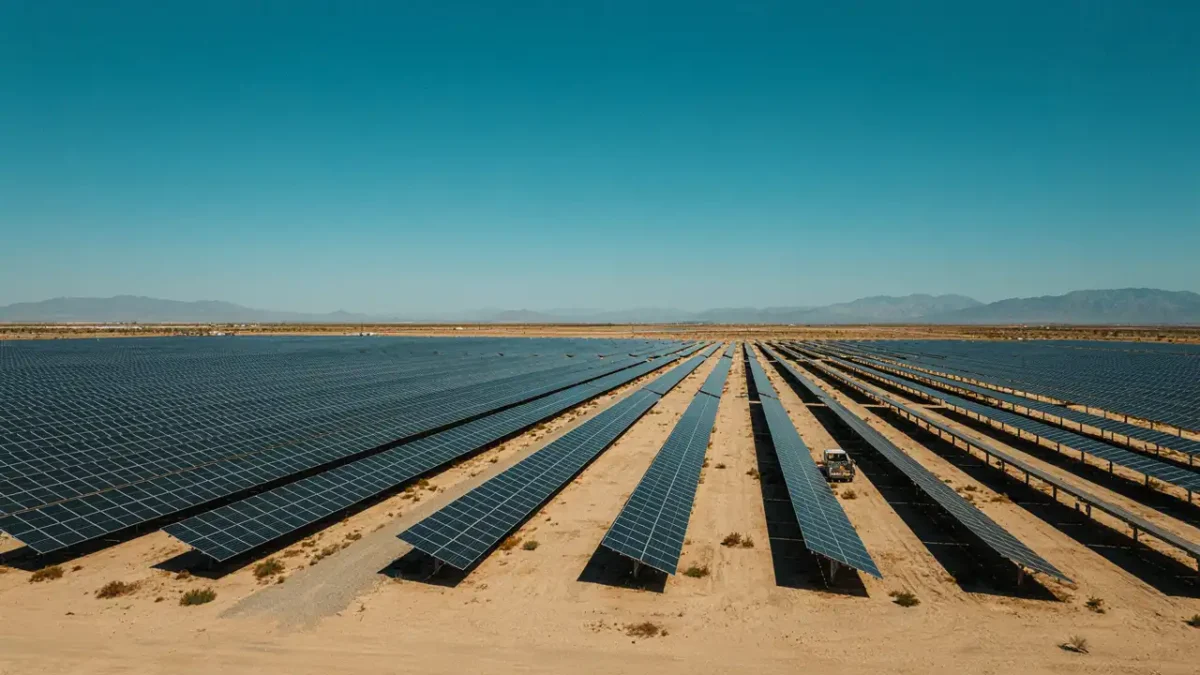
The Mohammed bin Rashid Al Maktoum Solar Park sits at the center of Dubai clean energy plans. Its capacity is expected to exceed 8,000 megawatts by 2030, a considerable increase from its original target of 5,000 MW. Dubai aims for clean energy to account for 36% of its energy mix by 2030. The longer term objective is to source 100% of its electricity production capacity from clean energy by 2050. Dubai clean energy

Those figures give the Dubai clean energy strategy a clear direction. The road to 2030 will require more than installing additional panels across the desert. Renewable power must be integrated into the wider electricity network, with enough flexibility to meet demand when sunlight is unavailable and consumption changes throughout the day.
Battery storage is becoming an important part of that equation. DEWA’s planned seventh phase of the solar park includes a 1,400MW battery energy storage system, alongside additional solar capacity. The combination is designed to make renewable electricity more useful beyond the hours when solar generation is strongest.

The energy challenge hiding inside everyday life
The other side of the story is much closer to home.
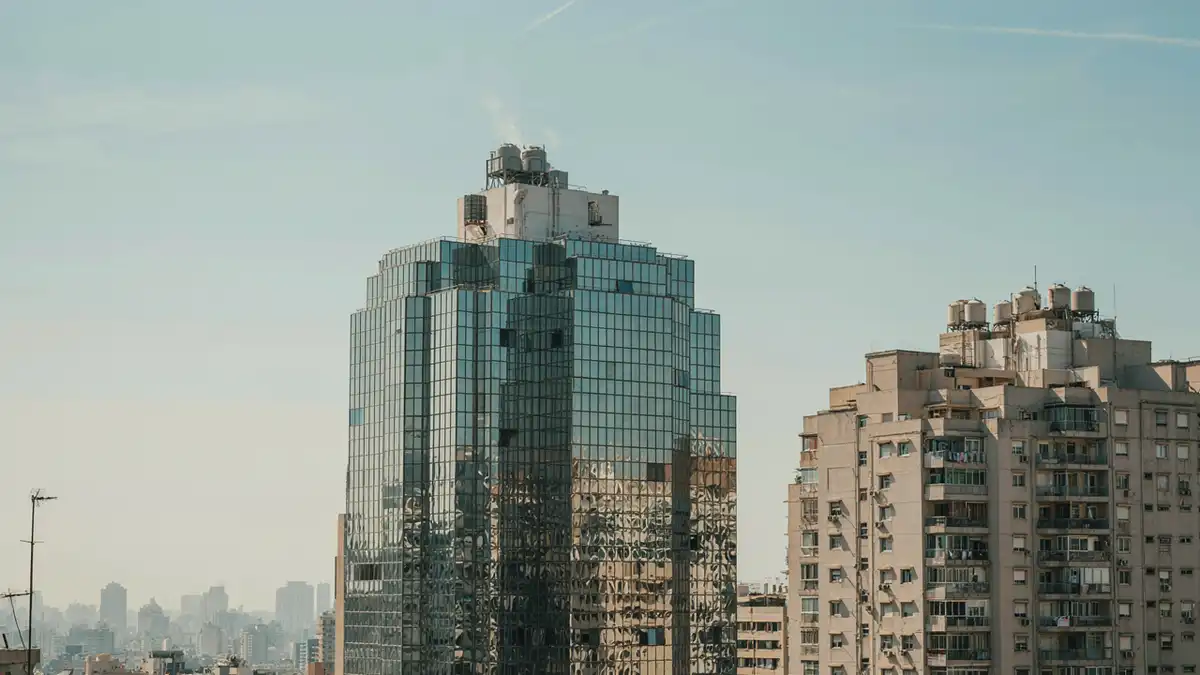
In Dubai, electricity demand is closely linked to cooling buildings through long, hot periods. Homes, offices, hotels and shopping centres all need reliable air conditioning, making efficiency an important part of the energy transition. Dubai clean energy
This is where district cooling enters the picture. Empower says its systems can reduce electricity consumption for space cooling by up to 50% compared with conventional air conditioning. The potential benefit is significant, because reducing the power needed to cool a building can ease demand without asking residents to sacrifice comfort. Dubai clean energy.

Dubai also has a Demand Side Management Strategy that aims to improve efficiency by at least 30% by 2030 and 50% by 2050, compared with a business as usual baseline. Its focus extends across electricity, water and transport fuel consumption. Dubai clean energy
In other words, Dubai clean energy is not only a story about where electricity comes from. It is also about how much is needed in the first place.
What World Energy Day means beyond the headlines
World Energy Day was established through the Dubai Declaration at the 2012 World Energy Forum. Its original purpose was to encourage countries to work towards safe and sustainable energy for all. This year, DEWA is framing the occasion around a simple message, “Sustain It! Turn Action into Impact.” That message has a practical side. More efficient buildings, smarter electricity networks, energy storage and everyday conservation all contribute to the same objective, even if they attract less attention than a giant solar installation.
The next test for Dubai will be whether its expanding infrastructure can keep pace with rising demand while delivering measurable gains in efficiency and emissions reduction. The 2030 targets provide a milestone, but the longer journey towards 2050 will depend on how well these different pieces work together.
For a city planning its future at speed, producing more clean power is essential. Making every unit of that power go further may prove just as important.