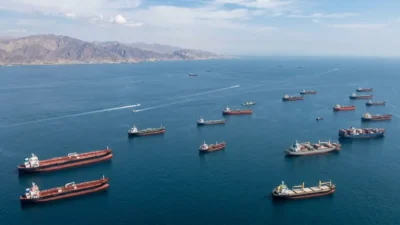
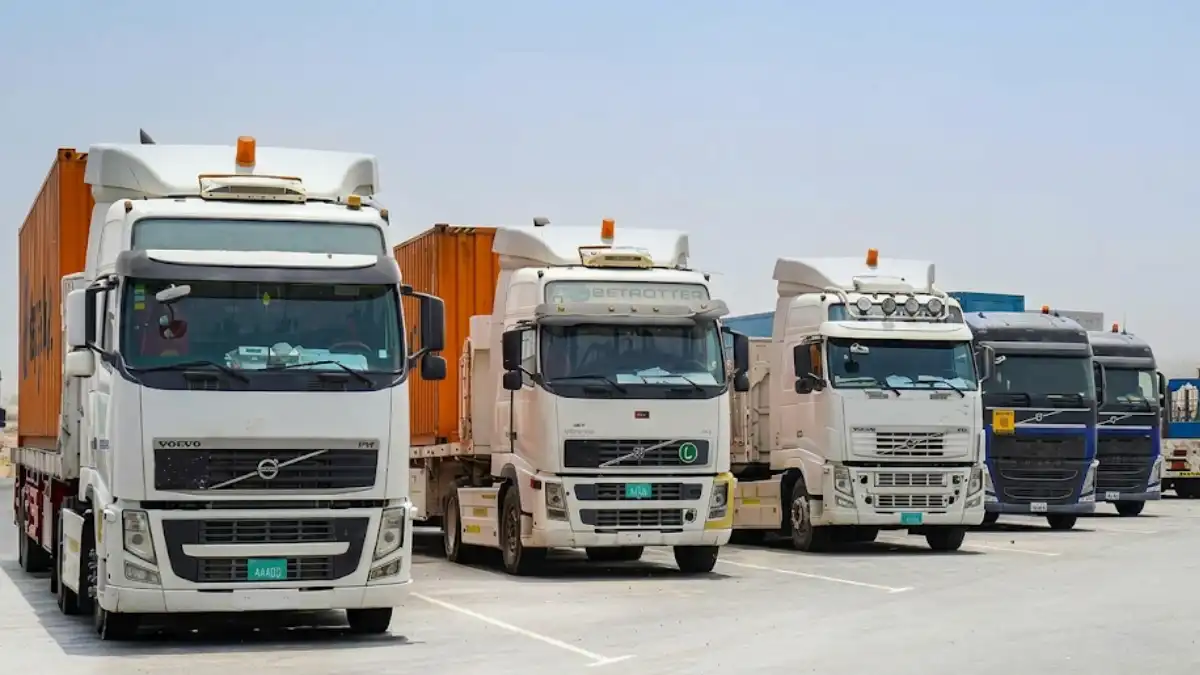
Before sunrise, thousands of truck drivers are already on Dubai’s roads. They carry construction materials to new towers going up in Dubai South. Also, they provide meals to the families who go shopping at the supermarket every weekend. Moreover, they transport products from the world’s busiest port (Jebel Ali) to warehouses and distribution centres throughout the emirate. Dubai’s roads receive over 300,000 truck journeys per day transporting about 1.5 million tonnes of goods daily. Some of these drivers work long hours on some of the busiest highways in the Nation. But, finding safe and designated truck rest stops to rest has not always been easy. However, that gap is now getting smaller.
364 New Slots Across Seven Locations
The Roads and Transport Authority has announced the expansion of parking capacity at seven truck rest stops across the emirate, adding 364 parking slots, a 56 percent increase, and bringing the total number of truck parking slots at these rest stops to 1,007. The expansion covers six specific sites. Al Rowaiyah 2 gained 107 slots, Lehbab 2 gained 90, while Lehbab 1 gained 47. Also, Al Tayy gained 18, Al Rowaiyah 1 gained 15, and Madinat Hind 2 gained 27 new slots. However, these locations are not random. They sit along corridors where truck traffic is heaviest and where drivers face the most pressure to keep moving without a proper break.
Related Stories

Why Truck Rest Stops Matter?
The truck rest stops expansion is not primarily about parking. It is about what happens when drivers do not have a safe place to stop. Fatigue, stress and unsafe parking along highway shoulders are real consequences of a shortage of designated rest space. RTA has also confirmed that constructing truck rest stops reduces truck-related incidents by 50 percent. That is a significant safety dividend, achieved not through enforcement alone but through giving drivers the basic infrastructure they need to behave safely.
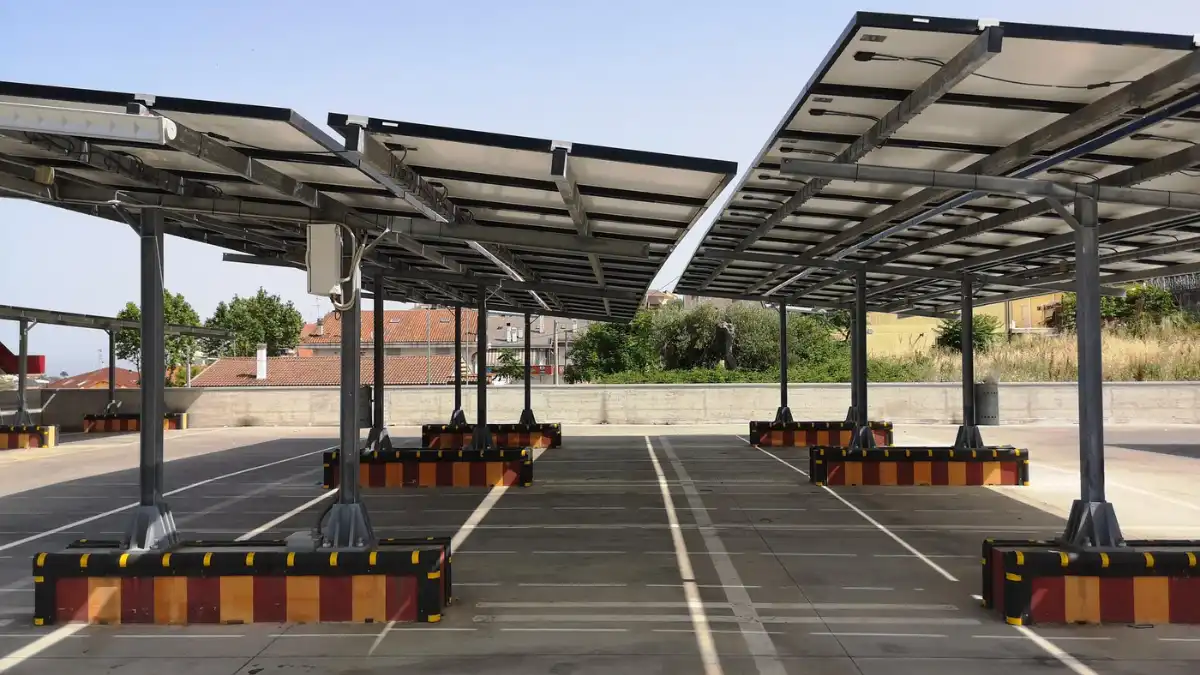
Each facility includes service amenities, prayer rooms, diesel refuelling stations, and driver rest rooms. These are not bare concrete lots. They are created to serve as practical spaces where a driver can pray, eat, fuel and rest before heading back on the road. In addition, the truck rest stops are carefully located close to the main roads in the Emirate that are used by a high level of heavy vehicle traffic such as Sheikh Mohammed bin Zayed Road, Emirates Road and Jebel Ali-Lehbab Road.
Truck Rest Stops: Part of a Much Larger Plan
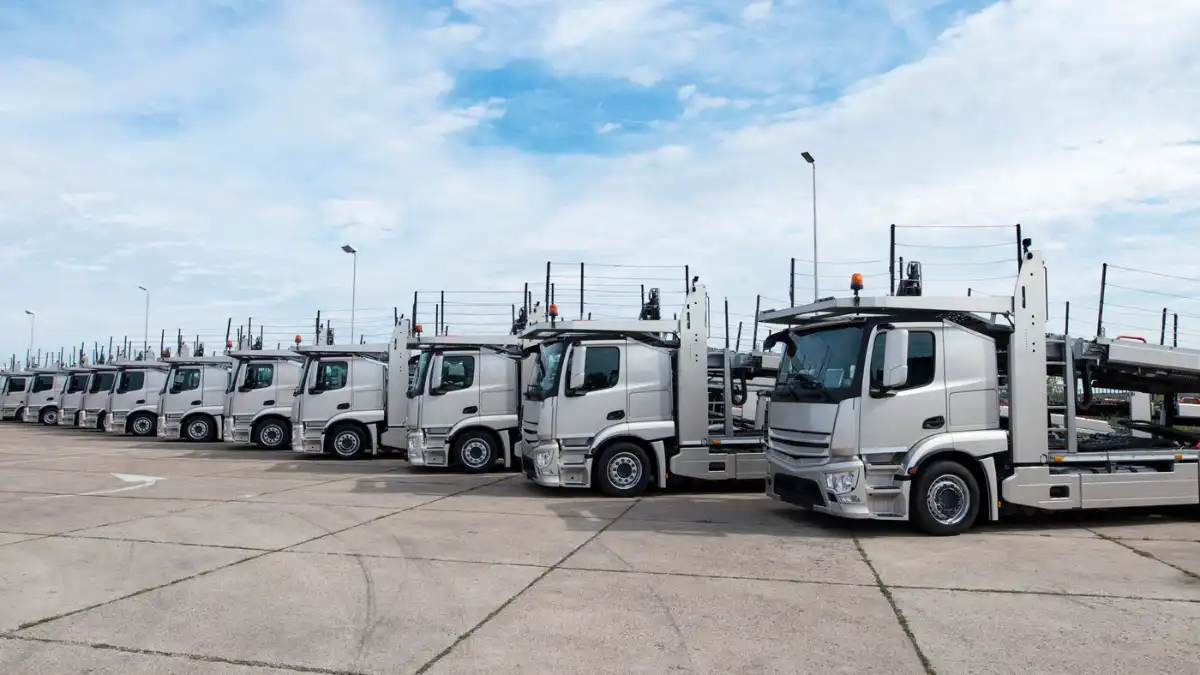
This expansion is the latest step in an ongoing infrastructure programme that has been building for years. Ten out of a planned 16 truck rest stops have already been completed across six key locations, in partnership with ADNOC.The total built-up area of the facilities is more than 75,000 sqm. The capacity to operate is greater than 5,000 trucks and heavy vehicles. The July 2026 announcement brings the number of slots at these seven sites to more than 1,000 for the first time, thanks to 364 additional slots.
RTA has a strategic plan to grow the network of truck facilities and to offer flexible and integrated infrastructure to improve the efficiency of goods transportation and facilitate economic development. The Dubai Economic Agenda D33 clearly outlines its vision to make Dubai a global trade and logistics hub by 2033. Feeding into that goal is the truck rest stops expansion. An alert or rested driver is a safer driver. A safer driver, means fewer incidents on the highway, which serves nearly 1.5 million tonnes of goods every day. Lower incident numbers lead to quick and efficient goods transportation. The chain is direct.
The People Behind the Supply Chain
It is worth pausing on what this actually means for the individual driver. A truck driver finishing a night shift on Emirates Road, with a delivery window closing in the morning, now has more options for where to pull in safely. More designated slots mean less competition for space. More space means less illegal roadside parking, which is dangerous for the driver and also for every other vehicle on the road.
The truck rest stops expansion gives these drivers something that the city’s growth depended on them not having for a long time: a recognised, properly equipped place to stop. Dubai’s trade success is built on the roads these drivers travel. Giving them the infrastructure to rest safely on those same roads is not just a logistics upgrade. It is the least the city can do for the people who keep it running.
Read More: Muslim-Friendly Destinations: UAE Holds Sixth Globally