

September 4, 2025 | Dubai, UAE: The inflow of remittances within the Gulf is a result of the India Rupee-Dirham Exchange Value stooping to a new low. The rupee’s decline has aligned with international markets and the newest US tariffs, which have bolstered currency depreciation. For thousands of expatriates in the UAE, this change has been both a difficulty and an opportunity, depending on which transactions they are undertaking.
The Fall of the Indian Rupee and US Tariffs
Experts from the industry and economists emphasize that the Indian Rupee-Dirham exchange value dropped to Rs. 23 per AED, a level not seen in previous years. This sudden fall is a result of the US tariffs that were enforced on Indian exports, textiles, IT services, and steel, which led to this outcome.

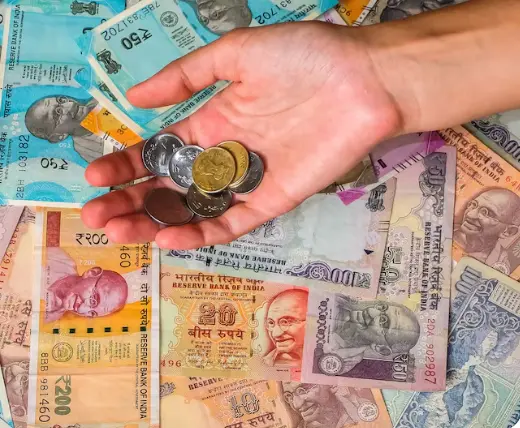
The imposition of these tariffs was to halt India’s export revenue generation, which will indeed weaken investor confidence. Economists explain that the combination of US tariffs, oil price fluctuations, and increased inflation has led to the decline of the Indian Rupee.
It is not a one-time event, and multiple countries around the globe have faced similar problems of currency depreciation due to trade policy shifts in the US. However, the impact on the Indian Rupee is much higher because India relies on exports to maintain foreign reserves. The inadequacy of the currency, therefore, affects the Indian Rupee-Dirham Exchange Value manifold.
Remittance Boost for Indian Expatriates
While the Indian economy may face a setback, it is somewhat different for Indian expatriates in the UAE. The Indian Rupee-Dirham exchange value means that every Dirham sent to India now fetches more Rupees.
Monetary exchanges across Dubai, Abu Dhabi, and Sharjah have reported an increase in remittances since the news arrived. Many families are benefiting from the rates to send money home for education and festive expenses.
Experts predict that if the rupee remains in a similar condition for the next few months, remittances from the UAE and GCC could cross $25 billion by the end of 2025, a crucial uplift for India’s foreign reserves.
Broader Implications for Businesses
Beyond these issues, the Indian Rupee-Dirham exchange Value is further going to affect businesses and trade. Importers in India, particularly those who import oil, electronics, and raw materials, may face challenges as the rupee declines against the dollar.
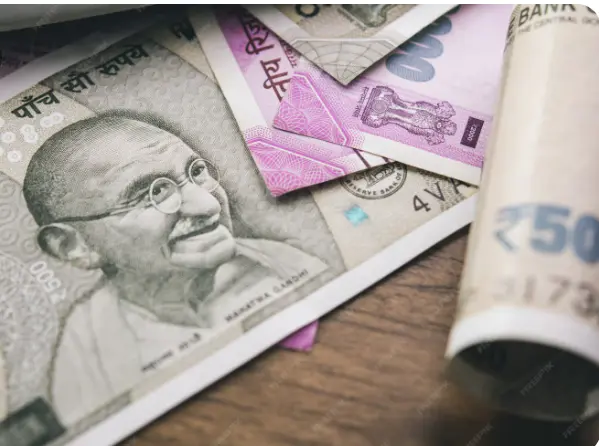
For the US, the US tariff is a complementary layer of financial burden, as the imported goods would be more expensive. Proportionately, exporters in India may find relief as their products become relatively cheaper in international markets due to the weaker rupee.
However, the relief might be temporary as the same US tariffs lead to competitiveness. UAE-based businesses will also be affected. Indian goods in demand in the UAE will see an increase in prices, which will limit consumer spending.
Airways, tourism, and other sectors dependent on India-UAE travel relations are also monitoring the fluctuations, as they can hamper travel demand. The intertwining between the Indian Rupee-Dirham Exchange Value and US tariffs is a problem on both sides, benefiting remitters while hindering trade.
The Path Ahead: Stable or Volatile For the India Rupee-Dirham Exchange Value
In the coming time, the question looms on whether the rupee depreciation will stop or continue to decline. Experts say that unless the ties between New Delhi and Washington on the US tariffs are settled, the Indian rupee-Dirham exchange value could slip further.

The Reserve Bank of India (RBI) may intervene to adjust the foreign reserve sales, but international pressure might restrict it. For the Indian expatriates in the UAE, this is a moment of both benefit and urgency. Many financial analysts show the favourable Indian rupee-Dirham exchange value now, before changes.
At the same time, investors need to multiply their assets to safeguard themselves against future depreciation.
Also Read: UAE Banks OTP Phase Out: What Customers Need to Know?