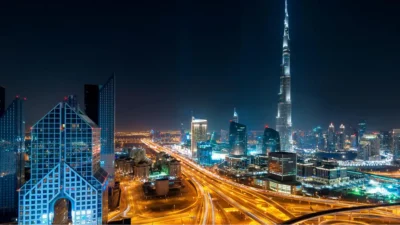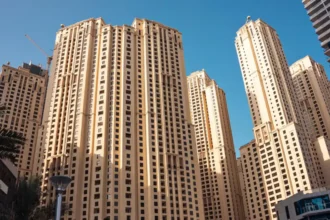

Setting up a vacation home or using a short-term rental in Dubai is a procedure that comes with a set of rules. The legal aspects can be overwhelming if you’re not properly guided. Local authorities have strict rules to safeguard property owners, investors and international guests. In addition, maintaining full compliance avoids hefty fines and streamlines operations. There are some necessary details to understand the short-term rental market and the rules to manage it properly.
Short-Term Rental Defined
A short-term lease applies to fully furnished residential units rented on a daily, weekly, or monthly basis. These spaces operate officially as licensed holiday homes. They offer a comfortable alternative to standard hotels. Furthermore, overall rental rates include utility bills, internet access, and maintenance services.
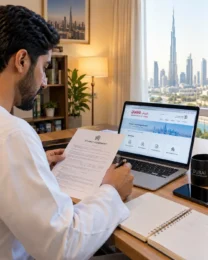
The continuous stay in a short-term rental in Dubai must remain under twelve consecutive months. Any lease reaching twelve months or longer transitions into a standard annual contract. Consequently, long-term arrangements require formal Ejari registration through the Dubai Land Department. Short-term agreements rely instead on flexible digital registration portals.
Crucially, listing individual rooms or shared spaces is strictly illegal across the emirate. Property owners must lease the entire residential unit as one single package. This rule preserves residential privacy, maintains community safety, and keeps building security high.

Essential Rules to Follow
Operating a legal holiday home demands complete administrative approval before welcoming your first guest. Hosts must apply for an official holiday home permit directly from the Dubai Department of Economy and Tourism. Operating without an active permit triggers heavy financial penalties from city inspectors.
Every property must pass mandatory safety checks before receiving guest bookings. Units must feature working smoke detectors, fire extinguishers, and clear emergency exit maps. Modern regulations also require secure digital keyless entry systems. Properties receive a rating of either Standard or Deluxe based on overall finishing quality.
Additionally, operators must display an official QR code poster inside the property entryway. Guests scan this code to verify the legal status of the accommodation instantly. Hosts must also collect the mandatory Tourism Dirham tax, ranging from ten to fifteen dirhams per bedroom nightly. Operators must upload guest passport details into the tourism portal upon check-in.
Who the Rules Apply To?
These regulatory guidelines apply universally across the entire real estate market. Emiratis, expatriate residents, and foreign real estate investors must follow the exact same procedures. Moreover, international tourists and local residents share identical responsibilities during their stay. Nationality creates zero exceptions under these housing laws.
Tenants can also transform their rented apartments into active holiday homes. However, tenants must secure a formal No Objection Certificate from their property landlord first. Subletting a property without written consent constitutes a severe breach of contract. Otherwise, unauthorized listing can lead to immediate lease termination.
How Success Is Measured
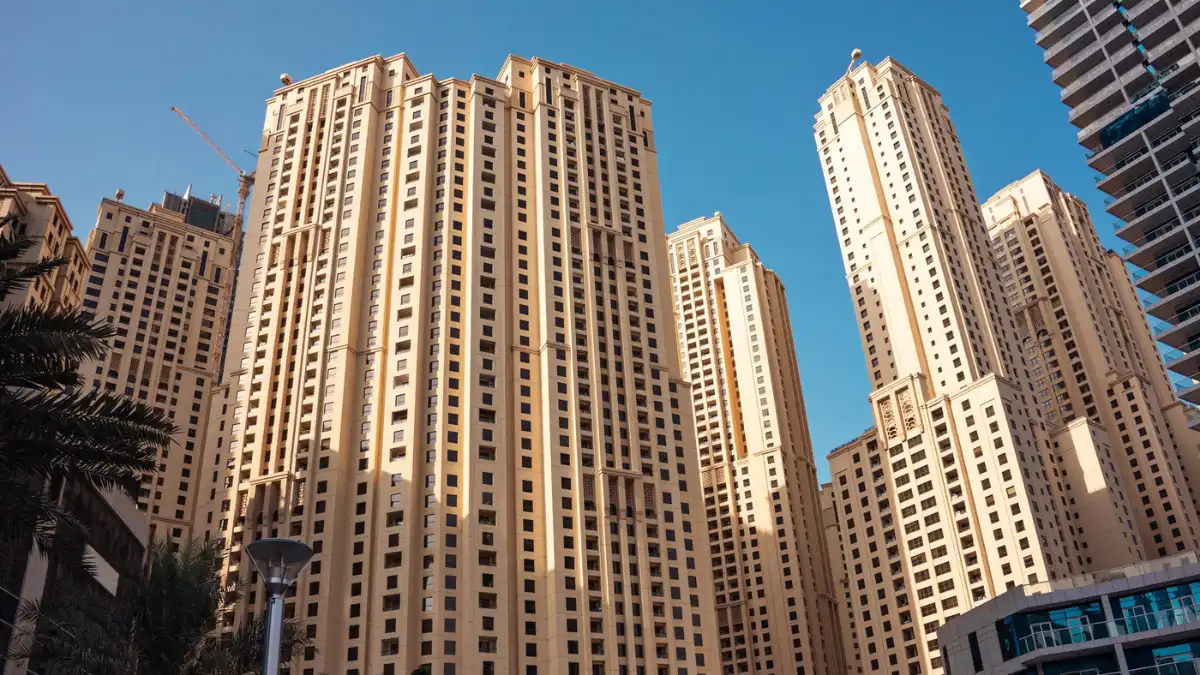
The vacation home sector exhibits strong operational growth and high profitability. Verified market metrics from AirDNA showcase sustained momentum across the emirate’s hospitality sector. Active short-term listings have reached over forty-six thousand units across popular tourist districts.
The average occupancy is about 61 percent annually and is significantly higher in the peak winter months. Places such as Dubai Marina, Downtown Dubai and Palm Jumeirah have eye-catching daily prices. Additionally, industry data indicates that holiday homes can provide gross revenues that are 30-50 percent higher than the gross revenues of traditional annual leases.
Seamless Housing Solutions
A short-term rental in Dubai offers incredible flexibility and strong financial returns when managed correctly. Straightforward regulations protect landlords, real estate investors, and vacationing guests through transparent governance. Following established protocols eliminates legal friction and guarantees a premium hospitality experience for everyone involved.
Read More: Dubai Property Market Is Adjusting Not Breaking