
Where the Talk Started
This World Cup 2026 controversy has sparked debate over whether qualification decisions can ever be changed…
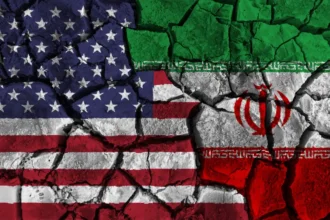
In the past few days, a strange idea began to circulate — what if Italy national football team were brought into the 2026 World Cup at the expense of Iran national football team? It wasn’t an official proposal, more a suggestion that picked up speed after comments linked to a political envoy connected with Donald Trump. Still, it was enough to spark debate.
The question behind it is simple: who gets to decide World Cup places — results, or reputation?
What the Situation Actually Is
On paper, there isn’t much to interpret. Iran qualified. Italy did not. That’s the outcome of a long, structured process that runs across continents and takes years to complete.
FIFA hasn’t hinted at any change, and more importantly, there isn’t even a mechanism that allows one. Once qualification ends, it ends.The idea of a swap sounds dramatic, but in practical terms, it doesn’t exist.
Why Timing Changes Everything
Even if you ignore the principle, the timing alone makes it unrealistic. The 2026 World Cup — spread across North America — is already deep into its planning phase. Stadium allocations, match schedules, group structures — all of it depends on confirmed teams.
Changing one participant would ripple through the entire setup. It wouldn’t just affect one group. It would force adjustments everywhere.That’s why these decisions aren’t flexible. By the time the tournament gets close, everything is locked.
More Read

Italy, Iran, and the Weight of Expectation
Part of the noise comes from Italy’s situation. A team with history, titles, and global recognition missing another World Cup naturally creates a reaction. People expect certain names to be there. But expectation doesn’t count as qualification anymore.
Iran, on the other hand, did what was required. They went through their path, collected the points, and secured their place. Removing them would mean questioning the entire system — not just one result.
Where Politics Meets Football
There’s also a reason this story spread as quickly as it did. Once politics enters the conversation, even indirectly, the scale changes.
Comments connected to figures like Donald Trump carry weight beyond sport, and that can blur the line between speculation and possibility.But inside FIFA’s structure, those lines are clear. Decisions follow regulations, not external suggestions. However loud the discussion becomes, it doesn’t shift the process.
What This Really Shows
In a way, this debate says more about modern football than the teams involved. There’s still a belief that certain nations belong on the biggest stage by default. But the game has moved past that. Qualification is now about current level, not past reputation.
Italy’s absence feels unusual because of their history. Iran’s presence feels normal because they earned it.
What Happens Next
Nothing changes. The teams that qualified remain in place. The tournament moves forward. And the conversation, eventually, fades. For Italy, the focus turns to rebuilding again. For Iran, it’s about preparing for another World Cup, knowing they got there the only way that matters — on the pitch.
Final Thought
This was never really a decision waiting to be made. It was a question that didn’t fit the system.Because at the World Cup level, there’s still one rule that holds: You don’t get invited. You qualify.
Read More: World Cup 2026: No Swap on the Table as FIFA Stands Firm