

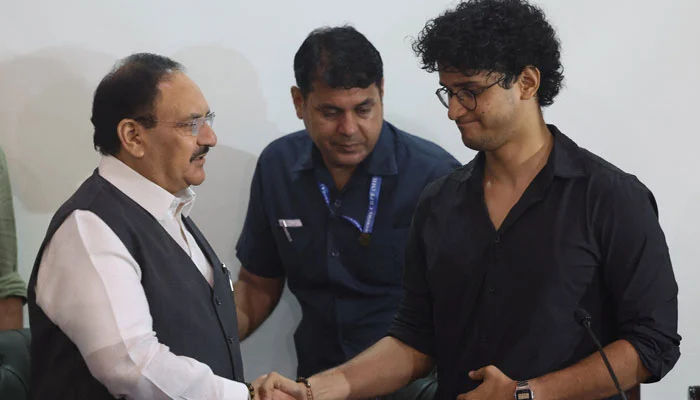
As activists from India’s Cockroach Janta Party (CJP) protest demand the release of protesters detained during nationwide demonstrations over alleged examination paper leaks, Indians in the UAE are closely following the developments. While opinions differ on the protests and the government’s response, many expatriates say the issue is less about politics and more about ensuring fair, transparent and merit-based examinations that safeguard students’ futures and restore trust in India’s education system.
India’s youth-led “cockroach” movement, whose protests have forced the education minister’s resignation, urged authorities on Monday to release all demonstrators detained in weeks of rallies nationwide.

The online Cockroach Janta Party (CJP), which organised protests over exam paper leaks and other irregularities, said they had received reports of students held in detention, particularly in the states of Assam, West Bengal and Bihar.
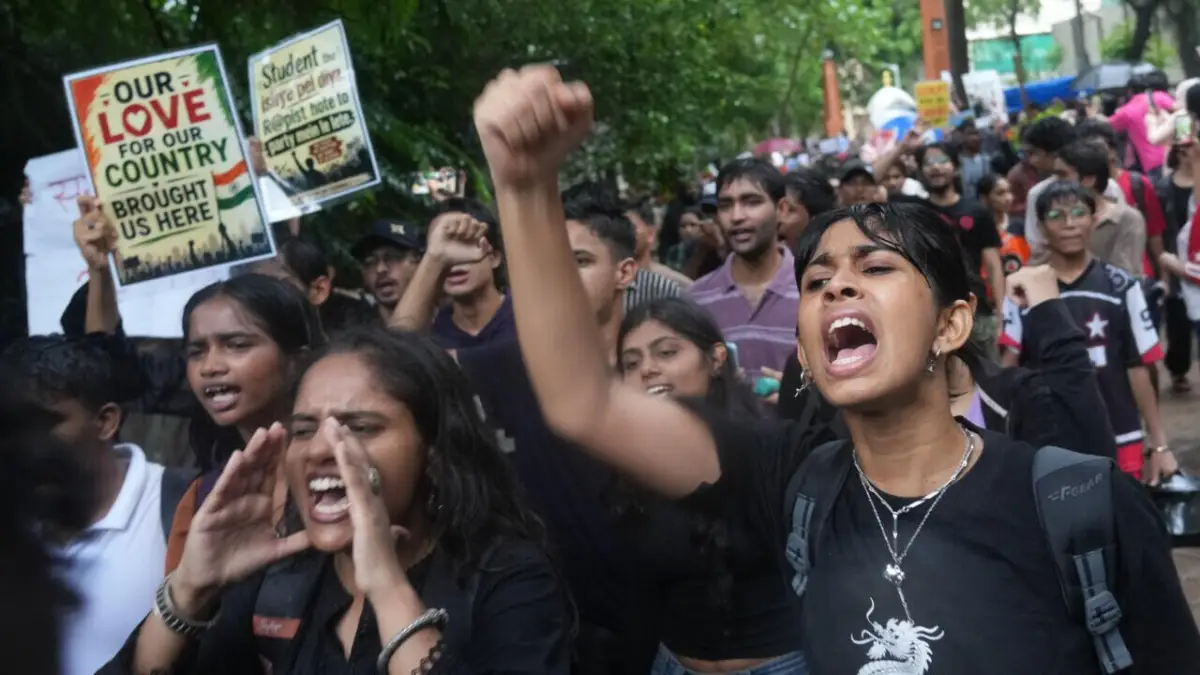
CJP Warns the Government
“Any failure to release those detained or withdraw criminal cases would amount to a breach of public trust,” the protest group said in a statement, adding they would take “further necessary steps” if their demand was not met.
The statement comes two days after Dharmendra Pradhan resigned as education minister over repeated failures in the conduct of competitive exams that have fuelled anger among millions of young Indians.
https://x.com/SauravDassss/status/2081626434267656550?ref_src=twsrc%5Etfw%7Ctwcamp%5Etweetembed%7Ctwterm%5E2081626434267656550%7Ctwgr%5E9ccf6acfe2e4d67a5cce98240004fd0840a9c7e6%7Ctwcon%5Es1_&ref_url=https%3A%2F%2Fwww.geo.tv%2Flatest%2F674931-india-activists-demand-release-of-detained-cockroach-protesters
The CJP accused the government of backtracking after authorities had assured them that no punitive action would be taken against protesters.
A Movement that set Social Media on Fire
The movement has won millions of followers on social media since it was launched in May by 30-year-old public relations graduate Abhijeet Dipke.
Tens of thousands of protesters, mainly students, rallied last week in New Delhi and other cities, demanding Pradhan’s resignation and broader reforms of the examination system.
CJP vs Modi’s Government
Demonstrations in the Indian capital turned violent on July 20 when a crowd attempted to march towards parliament from the Jantar Mantar protest site.
Police fired tear gas and used batons to disperse the protest, triggering clashes and a wave of detentions.
The issue reverberated in parliament on Monday, with repeated disruptions as opposition lawmakers demanded a response from the government over last week’s police crackdown.
Despite the disruptions, the government introduced legislation in the lower house seeking tougher penalties for examination paper leaks.
How Indians living in UAE reacted
Among Indians living in the UAE, reactions to the CJP-led protests are likely to be mixed and shaped by personal experiences, professional backgrounds, and connections to India’s education system. Here’s how Indian expats living in UAE reacted to the situation
- Strong support for exam reforms: Many Indian expatriates, particularly parents and young professionals, sympathize with the protesters’ demand for a fair and transparent examination system. Families in the UAE often invest heavily in their children’s education, with many students returning to India for competitive exams such as NEET and other entrance tests. Allegations of paper leaks and exam irregularities are therefore viewed as issues that directly affect their children’s future.
- Concern over governance rather than politics: Many expatriates distinguish between supporting education reforms and taking a political stance against the government. They may agree that stronger safeguards against paper leaks are necessary while also welcoming the government’s move to introduce legislation with tougher penalties for examination fraud.
- Discomfort with violence: Regardless of political views, many Indians in the UAE are likely to express concern over the clashes between protesters and police in New Delhi. While supporting the right to peaceful protest, they may feel that violence, injuries, and mass detentions distract from the movement’s core demands for educational reforms.
- Interest in accountability: Professionals working in sectors such as healthcare, engineering, finance, and education often emphasize merit-based systems. They may view the protests as highlighting broader issues of transparency and accountability that could affect India’s global reputation and confidence in its institutions.
- Preference for stability: Many expatriates also value political and economic stability in India, given their financial ties through investments, family, and property. Some may support reforms but prefer dialogue and institutional solutions over prolonged street protests.
Overall, Indians in the UAE are likely to view the protests less through a partisan political lens and more through the impact on education, fairness, and opportunities for young people. While opinions differ on the methods used by protesters and the government’s response, there is broad recognition that repeated examination controversies have undermined confidence in India’s competitive testing system and that credible reforms are needed.
Also Read: India’s Education Minister Resigns After Massive Youth Protests