

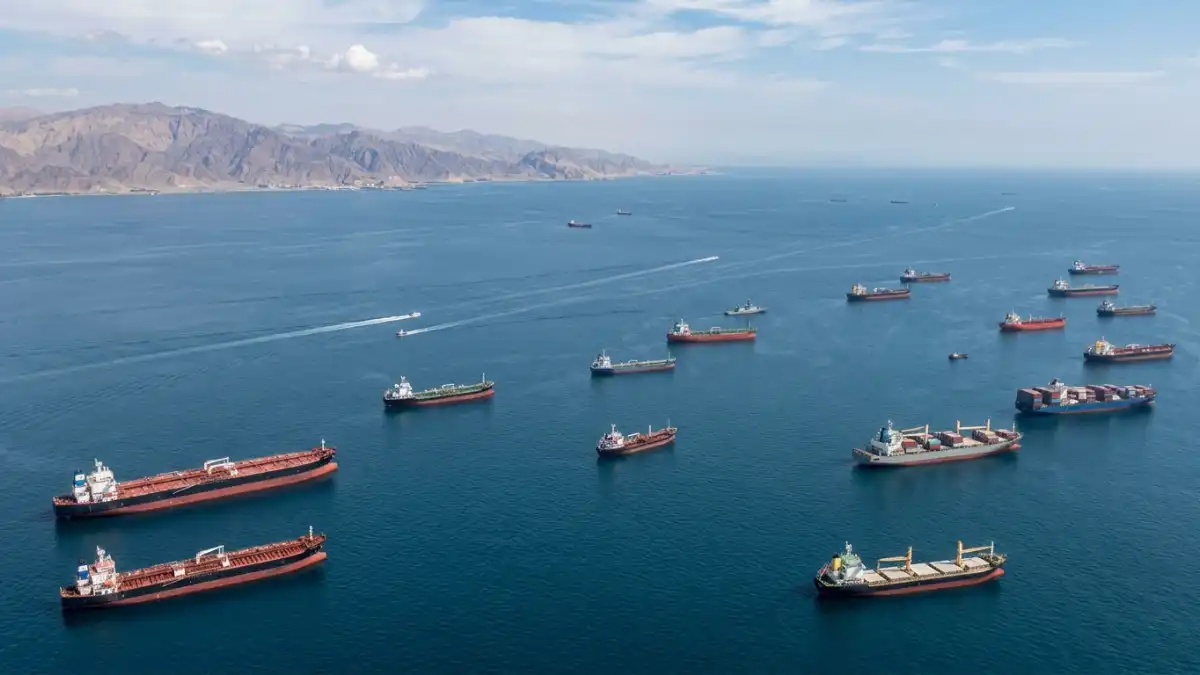
US airstrikes on Iran have reignited fears of a broader Middle East conflict after Washington launched strikes against Iranian military targets in response to the crash of an American Apache attack helicopter, which US officials say collided with an Iranian drone.
The latest escalation triggered retaliatory Iranian missile attacks on sites in Bahrain, Kuwait, and Jordan, further straining an already fragile ceasefire between Iran and Israel. As both sides exchange threats and military action expands across the region, concerns are growing that diplomatic efforts to secure a lasting peace could unravel, threatening regional stability, global energy markets, and international shipping routes.

Middle East Back to War?
Since the U.S. and Israel started the war with attacks on Iran on Feb. 28, the conflict has shaken the global economy, driven up energy prices around the world and made many basics, including food, more expensive.
Officials have been unable to turn the April ceasefire into a deal to permanently end the conflict, particularly as Israel intensifies and expands its military campaign in Lebanon against the Iranian-backed militia Hezbollah.
The downing of the Apache attack helicopter and the strikes by the U.S. military further strained the ceasefire a day after Iran and Israel exchanged fire for the first time since the fragile truce took effect. Iranian state television said Tuesday that the Israeli attacks killed at least two members of the country’s air-defense units.
Strikes by US and Iran shake the Mideast
Fighter jets from the U.S. Air Force and Navy conducted the strikes in Iran, the U.S. military’s Central Command said, targeting “air defense, ground control stations, and surveillance radar sites.” Iran acknowledged strikes around Bandar Abbas and Qeshm Island, but gave no details on the damage.
“The operation was a proportional response to recent attacks on U.S. forces and international commercial ships transiting regional waters,” Central Command said.
Iran’s top diplomat said foreign military forces near its territory “are at constant risk” and later vowed that there would be a response to the new U.S. strikes.
Iranian forces “will leave no attack or threat unanswered,” Iranian Foreign Minister Abbas Araghchi said on X. “Leave our region if you want to be safe.”
Jordan said Wednesday it shot down five incoming missiles launched by Iran, which Iran said targeted the Muwaffaq Salti Air Base. That air base has hosted American F-35 fighter jets and other aircraft.
Jordan’s state-run Petra news agency carried the statement from its military, which added that there were no injuries in the attack and that explosives experts had examined the debris from the interceptions.
Cargo ship attacked by small boat in Gulf of Aden
Elsewhere in the region, guards on board a cargo ship off the coast of Yemen in the Gulf of Aden exchanged fire with gunmen in a small boat and repelled their attack, the British military’s United Kingdom Maritime Trade Operations center said.
No group immediately claimed responsibility. Yemen’s Houthi rebels have said they will resume their attacks against Israel-affiliated ships moving through the Red Sea, while Somali pirates have also become more active in the region.
US helicopter collided with Iranian drone, official says
The U.S. Army AH-64 Apache attack helicopter that crashed went down near the Strait of Hormuz after colliding with an Iranian drone, according to a U.S. official, who spoke on condition of anonymity to discuss an ongoing investigation.
It wasn’t clear whether the collision was intentional, and official statements only said the crash is under investigation. CNN, CBS News and other outlets earlier reported the collision.
In the first known operation of its kind by the American military, a drone boat rescued both of the helicopter’s aviators at 3:30 a.m. local time Tuesday, about two hours after their aircraft went down during a patrol off the coast of Oman, U.S. Central Command said.
The latest exchange of U.S. and Iranian strikes highlights how quickly the Middle East could slide back into a wider conflict despite repeated efforts to preserve the fragile Iran-Israel ceasefire. With military operations now extending beyond Iran and Israel to include attacks affecting Bahrain, Kuwait, Jordan, and key maritime routes, the risk of miscalculation remains high.
As regional powers, global allies, and international mediators push to prevent further escalation, the coming days will be critical in determining whether diplomacy can regain momentum or whether the region faces another prolonged and destabilizing cycle of conflict with far-reaching consequences for security, trade, and energy markets worldwide.
Also Read: Gold Prices in UAE Slide Below USD 4,200 on June 10